Song Meaning
This track paints a picture of someone who, despite their capacity for love, refuses to be a source of pain. The narrator acknowledges the other person's freedom to roam and break hearts, but firmly states that the connection they share is irreplaceable. It’s a declaration of self-worth, asserting that their emotional well-being is not up for negotiation.
The central tension lies in the narrator's unwavering principle: reciprocity in emotional dealings. They explicitly state, "If I don't cause you pain, I don't want you to give it to me." This isn't about passive suffering; it's an active boundary setting, a refusal to engage in a dynamic where they are consistently hurt while the other person remains unscathed. The narrator's pride and resilience, described as being "born with an steel soul," are presented as the foundation for this stance.
The most striking element is the narrator's paradoxical declaration of love alongside their decision to let the other person go. They admit, "even though I truly love you," they will permit abandonment. This isn't weakness; it's a demonstration of that "steel soul" – the strength to walk away from a relationship that causes pain, even when love is present. The final warning, "Don't cry if someone sings to you," adds a layer of poignant foresight, suggesting the other person might eventually regret their actions.
The lyrics hit hard because they articulate a mature, self-respecting response to heartbreak. The narrator doesn't beg or retaliate; they simply enforce their boundaries with a quiet dignity. The "steel soul" isn't about being unfeeling, but about having the inner fortitude to protect oneself from emotional damage, even when it means letting go of someone they love. This makes the message resonate as a powerful assertion of self-preservation.
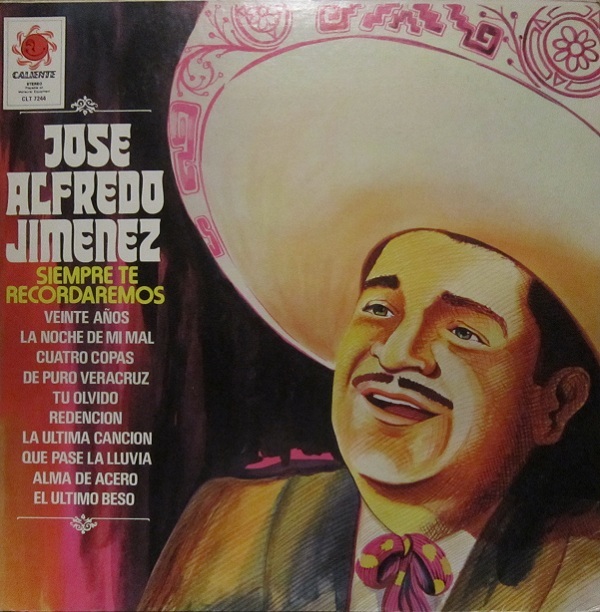
 View Artist