Song Meaning
The lyrics paint a picture of a transactional encounter, starting with a woman buying a cheap earring "no camelô" (from a street vendor) specifically to get the narrator's attention. This initial move is successful, as he notes her "olhos de vendedor / Em dia de promoção" (eyes of a salesperson on sale day), suggesting a calculated, perhaps insincere, approach. He feels compelled to buy whatever she offers, listing a bizarre assortment of items from "Disc - laser" and "caixa de três em um" to "Bananada e bronzeador" and religious trinkets, highlighting the absurdity of his willingness to purchase anything.
The central tension emerges from the narrator's dawning realization that this isn't about genuine connection but about a hustle. He enumerates more items, "Morey-boogie, micro-computador," "Tape-deck duplo da Sanyo," "Quatro caixas que eu nem podia ver," questioning their purpose "pra que, amor?" (what for, love?). This accumulation of goods, coupled with the phrase "Algo me avisou / Tem muamba aí..." (Something warned me / There's something shady going on...), signals his suspicion that he's being scammed or manipulated.
The most striking craft element is the juxtaposition of romantic language with the imagery of commerce and questionable dealings. The narrator initially frames his willingness to buy as being "Por ela, por ela eu compro o que for" (For her, for her I'll buy whatever), implying affection. However, this quickly dissolves into a list of random, potentially worthless items and the explicit accusation of "muamba," which implies illicit trade or a scam. The shift from perceived romantic interest to suspicion of a "hustle" is sharp and disorienting.
These lyrics hit hard because they capture the unsettling feeling of being drawn into something that feels too good to be true, only to discover it's a setup. The narrator's initial willingness to indulge, followed by his growing unease and final suspicion, mirrors a common experience of misplaced trust. The specific, almost comically random list of items amplifies the sense of absurdity and betrayal, making the narrator's eventual realization of "muamba" feel both inevitable and deeply frustrating.
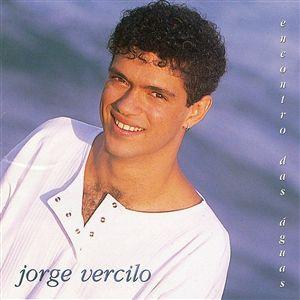
 View Artist