Song Meaning
This track paints a picture of overwhelming infatuation, where the narrator's world revolves entirely around a specific person. The initial verses establish a sense of undeniable connection and intense desire, moving beyond simple attraction to something profound. The imagery of the "céu do bem-querer" and "tua boca linda, lua sobre o mar" sets a romantic, almost celestial tone, hinting at a love that feels both vast and luminous.
The core of the song lies in the narrator's inability to adequately express the depth of their feelings. Phrases like "fissura é pouco, amor" and "deslumbre é pouco, amor" highlight this inadequacy, suggesting that conventional words fail to capture the intensity of their experience. The repeated comparison to the sea, "mais fundo que o mar," emphasizes this boundless emotion, while the "êxtase, frenesi" speaks to a state of ecstatic, almost dizzying obsession.
The recurring phrase "Em órbita há dias por você" is the central metaphor, powerfully conveying how the narrator's existence has been completely captivated and altered by this person. It suggests a state of being suspended, unable to return to a normal trajectory, with their entire focus locked onto the object of their affection. The variations in the final chorus, "Em órbita até pousar" and "Em órbita até descer," introduce a subtle shift, perhaps hinting at a desire for this intense state to eventually find a stable landing, or simply prolonging the feeling of being suspended in this blissful, all-consuming orbit.
Ultimately, the lyrics resonate through their direct and unvarnished portrayal of being completely consumed by love. The consistent use of grand, natural imagery – the moon, the sea, the sky – amplifies the feeling of a love that is immense and elemental. This hyperbolic language, combined with the central metaphor of being in orbit, effectively communicates a powerful, almost disorienting sense of devotion that has taken over the narrator's life.
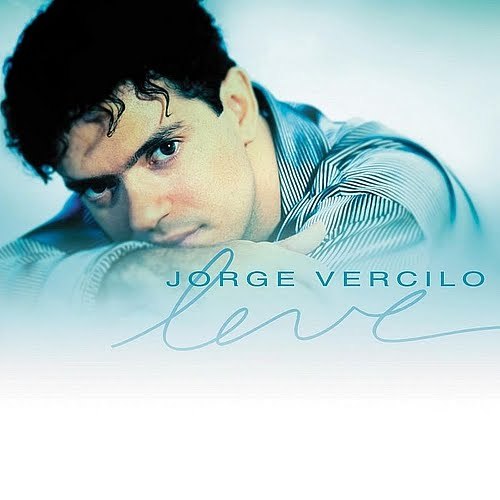
 View Artist