Song Meaning
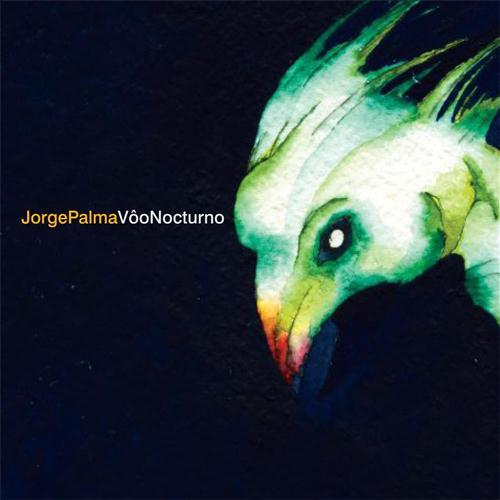
Jorge Palma's "Voo Nocturno" isn't just a song; it's a sonic representation of existential flight. The track plunges us into a nocturnal journey, immediately establishing a sense of disorientation. Palma sings, "Agora já não vejo o sol/Nem seu reflexo lunar" ("Now I no longer see the sun/Nor its lunar reflection"), painting a picture of someone adrift, untethered from the familiar guiding lights of life. This isn't a carefree soaring; it's a navigation through darkness, guided by an internal compass that seems increasingly unreliable. The repeated phrase "Neste voo nocturno nao sei onde vou aterrar" ("In this nocturnal flight I don't know where I'm going to land") underscores the anxiety of uncertainty, the fear of an unknown destination. It speaks to the human condition of facing the future without guarantees.
The lyrics are rich with metaphors of control and surrender. The pilot, or perhaps the self, attempts to steer ("E o leme sempre a consentir" - "And the rudder always consenting"), but there's a sense of futility, a recognition that some forces are beyond command. The lines "Sao sempre os mesmos ossos que eu insisto em partir/Neste voo nocturno só quero mesmo resistir" ("They are always the same bones that I insist on breaking/In this nocturnal flight I just want to resist") suggest a pattern of self-destructive behavior, a stubborn refusal to learn from past mistakes, yet a simultaneous fierce desire to endure. This tension between self-sabotage and resilience is at the heart of the song's emotional core.
"Voo Nocturno" also explores themes of memory and detachment. As Palma sings, "Vou revendo em encurdina/Tudo o que eu vivi" ("I'm reviewing in slow motion/Everything I lived"), we sense a life flashing before the pilot's eyes, a retrospective contemplation during this precarious journey. The repeated assertion that "Neste voo nocturno sou mais leve do que o ar" ("In this nocturnal flight I am lighter than air") hints at a detachment from the weight of earthly concerns, a shedding of burdens in the face of uncertainty. The encroaching dawn ("A madrugada veem ai" - "Dawn is coming") offers a glimmer of hope, but the ambiguity remains: will it be a safe landing or a crash? The true song meaning lies in this unresolved tension, the beauty and terror of flying blind into the unknown.
 View Artist