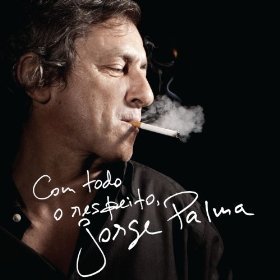
Song Meaning
Jorge Palma's "O Mundo e a Casa," especially in its duet form with Cristina Branco, isn't just a love song; it's an intimate cartography of emotional dependency and resilience. The lyrics, deceptively simple, paint a portrait of a relationship where the partner embodies both the vastness of the world and the safety of home. This duality is crucial to understanding the song's deeper meaning. Palma's lines declare, "You are the world, you are the house, you are the mirror where I see my eyes shine," establishing the lover as a source of identity and reflection. The partner isn't merely a companion but a fundamental aspect of the singer's self-perception. This hints at a potential blurring of boundaries, a common, if sometimes precarious, dynamic in intensely close relationships.
Branco's counterpoint introduces a darker, more complex element. Describing the lover as a "gallant monster, corsair angel who assaults me and makes me fly," she acknowledges the tumultuous, even dangerous, aspects of this connection. The "monster" isn't necessarily malicious, but it represents the disruptive force that love can be – the vulnerability and power dynamics inherent in letting someone so close. The "assault" isn't literal, but metaphorical, capturing the feeling of being overwhelmed by passion and the loss of control that can accompany deep affection. The song meaning isn't just about comfort; it's about the thrilling, terrifying ride of surrendering to another person.
The chorus, a shared declaration against "lightning and thunder, storms, hurricanes," reinforces the central theme of unwavering commitment. The repeated assertion, "I don't give up, because I can't resist love," speaks to the addictive nature of intense connection, even in the face of adversity. The final line, "With you by my side, life is a painless birth," is perhaps the most potent. It suggests that the struggles of life, the inherent pain of existence, are somehow mitigated, even rendered nonexistent, by the presence of this all-encompassing love. "O Mundo e a Casa" becomes an ode to the transformative, sometimes destabilizing, power of finding one's world and home within another person.