Song Meaning
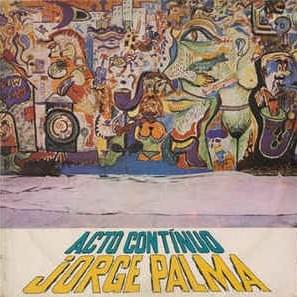
Jorge Palma's "Negativo" paints a portrait of a woman caught in the push and pull of her own contradictions, a figure rendered in shades of 'not quite' and 'almost.' The song meaning isn't about overt misery, but rather a subtle, persistent state of limbo. The opening lines establish this core tension: "Não é que o medo a impeça de ser quem é / Só não sabe lá muito bem como é que há de ser" (It's not that fear prevents her from being who she is / She just doesn't know very well how to be). This speaks to a deeper psychological struggle—an identity not actively suppressed, but rather, uncertainly formed.
The lyrics analysis reveals a character defined by what she *isn't*. She isn't necessarily lonely, yet she harbors a "esperança guardada de ser feliz" (hope kept to be happy). She doesn't disbelieve in her womanhood, but yields when seduced. This passive acceptance hints at a void within, a willingness to be defined by external validation rather than internal conviction. The recurring lines "E então ela troca as palavras e fecha a luz / E pensa outra vez que o amor lhe escapou por um triz" (And then she changes the words and closes the light / And thinks again that love has escaped her by a hair) suggest a pattern of self-sabotage, a fear of intimacy that leads her to retreat at the crucial moment.
The chorus, with its cyclical "E ela vai e vem / Vai e vem" (And she comes and goes / Comes and goes), emphasizes this feeling of being adrift. She leaves everything she has "no banco" (on the bench), a metaphor for emotional vulnerability left exposed and unclaimed. The phrase "Nos bastidores não vê ninguém" (Behind the scenes she sees no one) highlights her isolation, even amidst potential connections. The final verses reinforce this sense of rudderless existence. She's not stranded, but her "vela pintada por outra mão" (sail painted by another hand) suggests a lack of agency. The poignant line, "E quando ela olha para o leme não há capitão" (And when she looks at the helm there is no captain), ultimately encapsulates the song's core message: a search for direction and self-authorship in a world where she feels profoundly alone at the helm of her own life.
 View Artist