Song Meaning
Jorge Palma's "Minha Senhora da Solidão" isn't just a song; it’s a stark confrontation with chronic suffering and a rejection of its suffocating influence. The repeated address to "Minha Senhora da Solidão" (My Lady of Solitude) establishes a complex relationship, part pity, part frustration. Palma paints a portrait of a figure mired in grief and self-pity, someone defined by their pain ("Minha senhora das dores," My Lady of Sorrows) to the point where it becomes their sole identity. The speaker seems worn down by the constant negativity, questioning how much longer they must endure the lamentations. The lyrics suggest a weariness with vicarious suffering. He yearns for a glimpse of joy, a break from the perpetual mourning that defines her. There's a desperate plea for her to see the light, to find some grace and lightness within herself.
The core of the song's meaning lies in the rejection of unproductive suffering. Palma pointedly states that her crucifix offers no illumination and her sacrifice brings no benefit. This isn't a dismissal of faith, but a critique of wallowing in misery under the guise of piety or martyrdom. The repetition of "Não é bom para ninguém… Hum, não ajudas ninguém..." (It's not good for anyone... Hum, you don't help anyone...) drives home the point: her suffering is not only self-destructive but also serves no redemptive purpose. It's a powerful indictment of performative sorrow.
Ultimately, "Minha Senhora da Solidão" is a plea for self-awareness and a call to action. The singer recognizes the contagious nature of negativity and actively resists being pulled into her despair. The lines "Tenho que evitar o teu contágio / Não quero saber mais do teu naufrágio" (I have to avoid your contagion / I don't want to know more about your shipwreck) are a stark assertion of personal boundaries. The final image of the beach always being within reach is a subtle yet powerful suggestion: escape is possible; agency exists, even in the deepest despair. The song's meaning resides not in glorifying suffering, but in urging a move toward self-rescue.
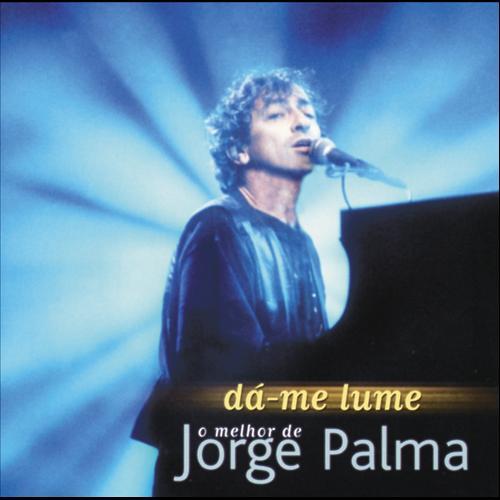
 View Artist