Song Meaning
Jorge Palma's "Meio-Dia" (Noon) isn't just a time of day; it's a psychic checkpoint. The relentless tick-tock marks a moment of reckoning, a confrontation with the soul-crushing pressure to conform. The opening lines paint a vivid picture of urban alienation, the feeling of being molded into something antithetical to one's true self. This isn't mere angst; it's a primal scream against the machine, amplified by the city's indifferent hum. Palma yearns for escape, a return to the mountains, a symbolic rebirth into freedom – a stark contrast to the city's suffocating expectations. The recurring phrase "onde há sempre alguém que diz" highlights the ever-present external forces, both positive (encouragement to sing) and negative (empty promises of future success).
But "Meio-Dia" isn't solely a personal struggle. The lyrics introduce a poignant element of familial separation. The departure of a brother and the lingering presence of a sister evoke a sense of fractured connection. This absence underscores the broader theme of displacement, both physical and emotional. The speaker acknowledges the inevitability of future, perhaps fleeting, reunions, framed in the stark imagery of dimly lit corners and the burning of illusions. It's a bittersweet acceptance of life's impermanence, a recognition that even reunions are tinged with the melancholy of eventual farewells.
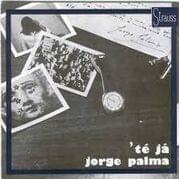
The song's power lies in its cyclical structure, mirroring the cyclical nature of time and the recurring patterns of life. The repetition of verses about familial separation and the anticipation of future encounters emphasizes the enduring impact of these relationships, even amidst distance and change. The final, abrupt "'TÉ JÁ" (See you soon) injects a sliver of hope, a promise of future connection that tempers the song's underlying sense of melancholy. "Meio-Dia," in its totality, is a meditation on identity, belonging, and the bittersweet dance of connection and separation, all set against the backdrop of an indifferent, clock-driven world. A profound exploration of the human condition disguised as a simple song.
 View Artist