Song Meaning
Jorge Palma's "Imperdoável" isn't just a song; it's a stark reckoning with the self, a brutally honest inventory of regrets accumulated across a life perhaps not fully lived. The core of the song meaning revolves around the concept of the unforgivable: those actions (or inactions) that weigh heaviest on the conscience. It's a psychological portrait painted with the broad strokes of existential regret. Palma doesn't dwell on specific transgressions, but rather on the broader failures of engagement with life itself. The repetition of "Imperdoável é" (Unforgivable is) acts as a relentless drumbeat, driving home the weight of these failings. The unforgivable, as Palma sees it, encompasses the unlived experiences, the forgotten memories, the abandonment of struggle, and, crucially, the inability to forgive.
The verses are laced with poignant imagery of missed opportunities. "Tive dois reis na mão / E não gostei" (I had two kings in my hand / And I didn't like them) speaks to a dissatisfaction, even with fortune. The lines about seeing cathedrals in the sky and carousels in the sea, yet failing to visit or dive in, represent a profound passivity, a refusal to embrace the wonder and potential that life offers. This isn't just about physical travel; it's about a deeper spiritual and emotional stagnation. The song lyrics subtly suggest that the greatest sin isn't necessarily maliciousness, but apathy.
The bridge shifts to a more visceral, immediate sense of suffering. Palma describes himself as "cego e confuso nesta cama a latejar" (blind and confused in this throbbing bed), painting a picture of physical and mental anguish. The rhetorical question, "O que seria de mim sem o meu sentido de humor?" (What would become of me without my sense of humor?), hints at humor as a coping mechanism, a shield against the overwhelming weight of regret and pain. The closing repetition of "Não perdoar" (Not to forgive) underscores the central theme: the inability to forgive, whether oneself or others, is perhaps the most unforgivable act of all, trapping the individual in a cycle of pain and recrimination. The song, therefore, becomes a powerful meditation on the human condition and the enduring search for redemption.
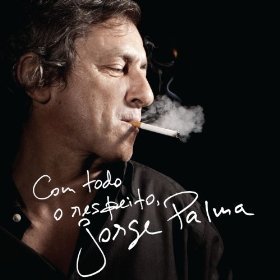
 View Artist