Song Meaning
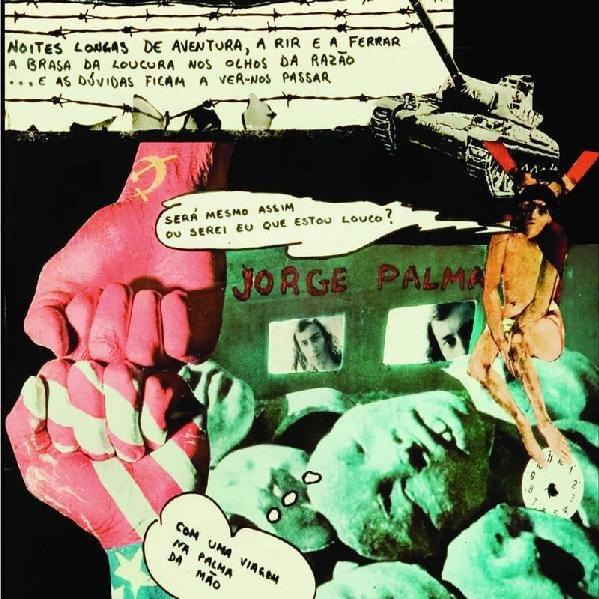
Jorge Palma's "Deixem Voar Este Sonho" plunges into the feverish anxieties of a mind wrestling with disillusionment and the weight of historical reckoning. The opening lines, confessing insomnia and a "fire spreading in my lungs," immediately establish a state of profound unrest. This isn't mere sleeplessness; it's a spiritual and existential burning, fueled by witnessing others – "those I saw depart, silent, lost, exhausted" – fail to grasp any enduring truth. The speaker's yearning for them to find meaning suggests a deep empathy, but also a frustration at the perceived futility of their struggles. The "long nights of adventure," juxtaposed with "laughing and stoking the embers of madness in the eyes of reason," hint at a reckless abandon, a desperate attempt to find solace in chaos, yet ultimately failing to quench the inner turmoil.
The interjection of the irritated neighbor ("I'm the downstairs neighbor, there's too much noise… When will this end?") provides a stark contrast, a mundane interruption to the speaker's existential crisis. This brilliantly underscores the tension between individual torment and the indifferent world outside. The lines about the "crystal" introduce a sense of distorted perception, a warped lens through which the speaker views reality. This crystal reveals a fundamental truth: "man has failed, like a river whose water dried up before reaching the sea." It's a damning indictment of humanity's unrealized potential, a poignant image of dreams and aspirations withering before fruition.
The reference to "Nuremberg" shifts the focus to historical atrocities and the machinery of justice. However, instead of the condemned heads, the speaker sees "the whole earth swaying before me." This suggests a broader, more profound judgment is at play, one that encompasses not just individual culpability, but the collective responsibility for the state of the world. The repetition of insomnia and burning lungs reinforces the cyclical nature of this torment, the inability to escape the weight of these realizations. Ultimately, the "crystal" also offers a world of certainties where doubts become irrelevant, but this certainty seems cold, detached, and perhaps even a surrender to the very disillusionment the speaker initially fought against. "Deixem Voar Este Sonho" is not just a song; it's a visceral confrontation with the fragility of hope in a world seemingly determined to crush it.
 View Artist