Song Meaning
Jorge Palma's "Acordar Tarde" isn't just a song; it's a haunting tableau of lost connection and existential drift, rendered in stark, poetic imagery. The opening lines depict a scene of decay – wilted flowers, a stagnant river – setting a tone of irreversible decline. This isn't merely sadness; it's a confrontation with the failures of communication and the lingering residue of past encounters. The failed motorcycle hinting at abrupt endings and the postal service breakdown symbolizes the inability to reach out, to bridge the widening gaps. The singer is painting a landscape of emotional and societal breakdown.
The pursuit of what the sea hasn't swallowed suggests a desperate search for meaning amidst the wreckage. Palma introduces darker elements – assassins, a knife with the "fatality of contaminated blood." These aren't literal depictions, but metaphors for the hidden dangers and moral compromises inherent in human relationships, particularly those of "ocasional lovers." The licking of stamps sealed by killers is a potent symbol of complicity, of unknowingly absorbing the poison of others' actions. It's a world where intimacy is fraught with peril, where every connection carries the risk of infection. The singer's hand on the knife is a moment of reckoning with the potential for violence and self-destruction that simmers beneath the surface.
The final verse offers a stark image of solitary navigation: "You will go alone into life." The outstretched arms, as if entering water, evoke both vulnerability and a fragile hope for absolution. The body arched like a stone, mimicking a house, speaks to a desperate need for shelter, a yearning for the safety of home in a world that offers none. This "house" is a self-constructed defense against the "mortal shine of midday" – a blinding, harsh truth that the narrator seeks to avoid. "Acordar Tarde" is not about waking up late; it's about the perpetual twilight of a soul struggling to find solace in a world that has lost its way.
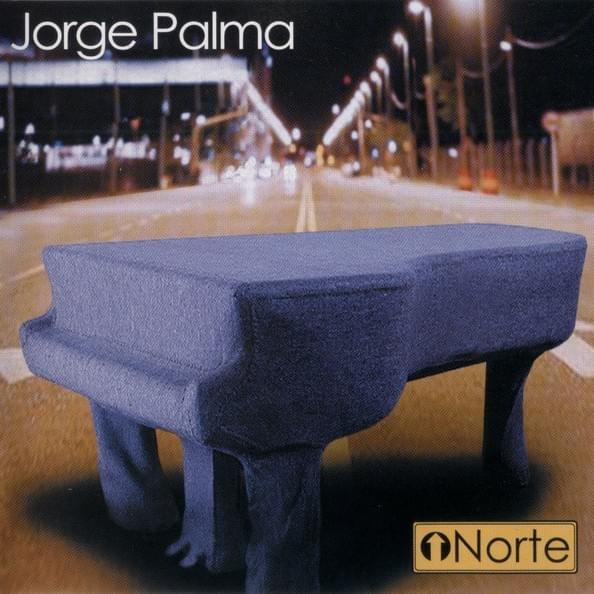
 View Artist