Song Meaning
Jorge Palma's "A Velhice" isn't just about old age; it's a haunting portrait of psychological decline, a slow fade into fear and regret. The opening image of a man huddled by the fire, terrified of witches, immediately establishes a state of vulnerability and regression. This isn't the dignified wisdom of elders, but a descent into primal anxieties. The "bacio" (bedpan) and "grog" suggest a return to infantile dependency, a physical manifestation of his diminished state. The witches, while seemingly superstitious, likely symbolize deeper, internal demons – anxieties and unresolved traumas resurfacing in the twilight of his life.
The core of the song meaning lies in the lines about lost love: "Aquela que amou não pôde ser / Vencida / Ou vencida não pôde ser amada." This speaks to a central, perhaps defining, relationship marked by either an inability to conquer obstacles or a failure to love someone after overcoming them. It’s a complex, almost paradoxical statement hinting at deep-seated issues of control, vulnerability, and the corrosive power of regret. This unfulfilled love becomes a recurring nightmare, haunting him "nas cinzas" – in the ashes, the remnants of what was, or what could have been.
The song closes with a flicker of hope, or perhaps just resignation. The "velha luz de estrelas / De novo na terra" suggests a cyclical return, a faint echo of past beauty or meaning. Is it a moment of clarity, a fleeting connection to something larger than his present fear? Or is it simply the dying embers of memory, a final, melancholic reminder of what's been lost? Either way, Palma avoids sentimentality, leaving us with a stark, unsettling vision of aging as a psychological unraveling, a confrontation with the ghosts of our past and the fading light of our future.
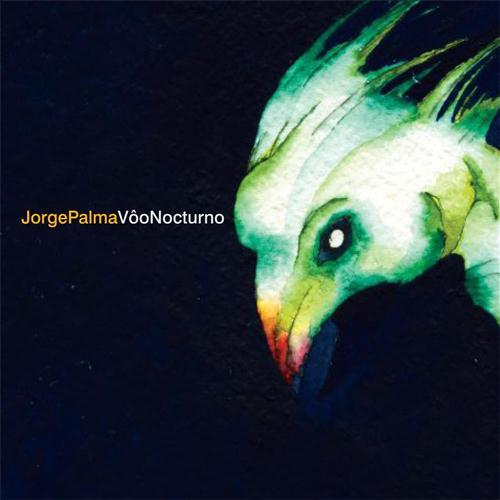
 View Artist