Song Meaning
The lyrics paint a vivid picture of a moment of intense emotional vulnerability and longing, initiated by a feeling of coldness in the soul. The narrator invites someone to dance, finding solace and calm in their voice. This simple invitation blossoms into a complex internal experience, marked by a racing heart and trembling anticipation, all set to the rhythm of "dois pra lá, dois pra cá" – two steps left, two steps right – a phrase that becomes a refrain for this disoriented, love-struck state. The scene is charged with sensory details, from the scent of gardenia to the physical touch of a hand on the neck and soft back, highlighting the profound impact of this person on the narrator's previously empty nights.
The central tension lies in the contrast between the narrator's internal turmoil and the outward appearance of composure or perhaps a forced normalcy. The heart beats like a bongô, the maracas tremble, and the head spins more than the dancing couples, all indicating a loss of control. Yet, the repetitive dance step "dois pra lá, dois pra cá" suggests a structured, almost mechanical movement, possibly masking the deeper emotional chaos. This duality creates a compelling sense of a person trying to navigate overwhelming feelings within a seemingly ordinary social setting.
The lyrics masterfully employ specific, almost jarring imagery to underscore the narrator's state. The "falso brilhante" (fake diamond) on the finger, the matching earrings and necklace, and the "a ponta de um torturante Band-aid no calcanhar" (the tip of a torturous Band-aid on the heel) all hint at a facade of glamour or perfection that is ultimately superficial and even painful. These details suggest a carefully constructed appearance that doesn't quite hold up, mirroring the narrator's own internal struggle to maintain composure amidst the overwhelming emotions stirred by the presence of the other person.
Ultimately, the effectiveness of these lyrics stems from their ability to translate raw, often inarticulate feelings into concrete, sensory experiences. The repetition of the dance phrase and the recurring images of superficial adornment create a powerful, almost hypnotic effect. The narrator's present-day act of "embriagando de uísque com guaraná" (getting drunk on whiskey with guarana) and hearing the voice murmur the familiar steps suggests that this intense emotional encounter, and the longing it evokes, continues to haunt them, making the past feel palpably present.
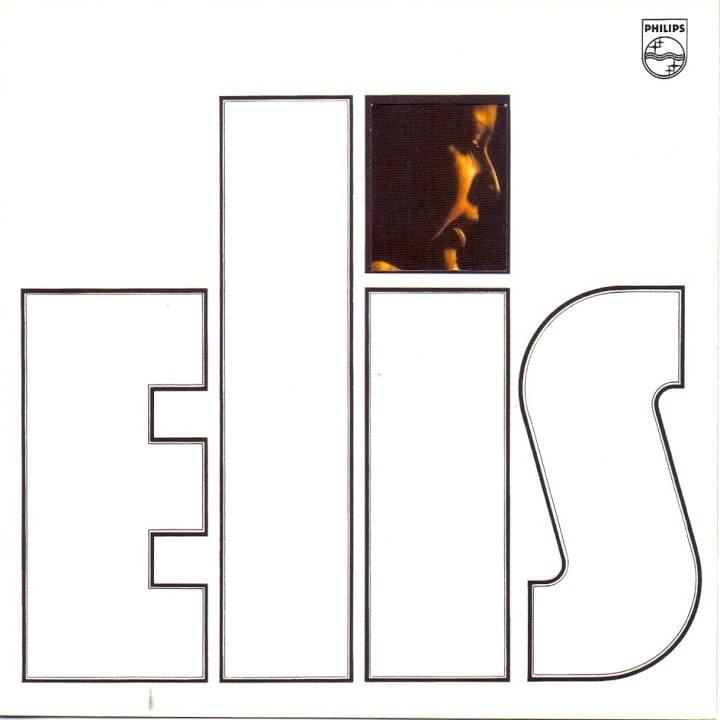
 View Artist