Song Meaning
The lyrics paint a picture of a collective struggle and a persistent hope for a better future. The narrator recalls witnessing a moment where disparate people united for a common cause, driven by a desire to resist oppression. This shared purpose, described as a "mutirão" (a communal work effort), aimed to prevent them from being "vencido" (defeated) by "garras da opressão" (claws of oppression).
The central tension lies in the contrast between this initial unity and the subsequent fading of that momentum. The text suggests a powerful collective desire, an "anseio" (yearning), that rose from all corners of the land but was ultimately silenced, "calou como veio" (silenced as it came), especially when faced with a dire threat, "a sombra da morte" (the shadow of death). This implies a moment of profound crisis where the collective spirit faltered.
A striking element is the recurring phrase "Eu vi" (I saw), which anchors the narrative in personal testimony and observation. This directness lends weight to the subsequent descriptions of both unity and its dissolution. The lyrics also highlight a legacy passed down: "Mas nos legou um sonho" (But left us a dream), suggesting that even in defeat or near-failure, the aspiration for a different reality endures and is now the responsibility of the present generation.
Ultimately, these lyrics resonate because they capture a cycle of struggle and renewed determination. The narrator observes a past effort, acknowledges its partial success and the dream it left behind, and then pivots to a call for present action: "Agora é lutar / Por tudo que ele quis" (Now it's time to fight / For everything he wanted). This forward-looking resolve, rooted in historical observation, makes the call to "mudar" (change) feel earned and urgent.
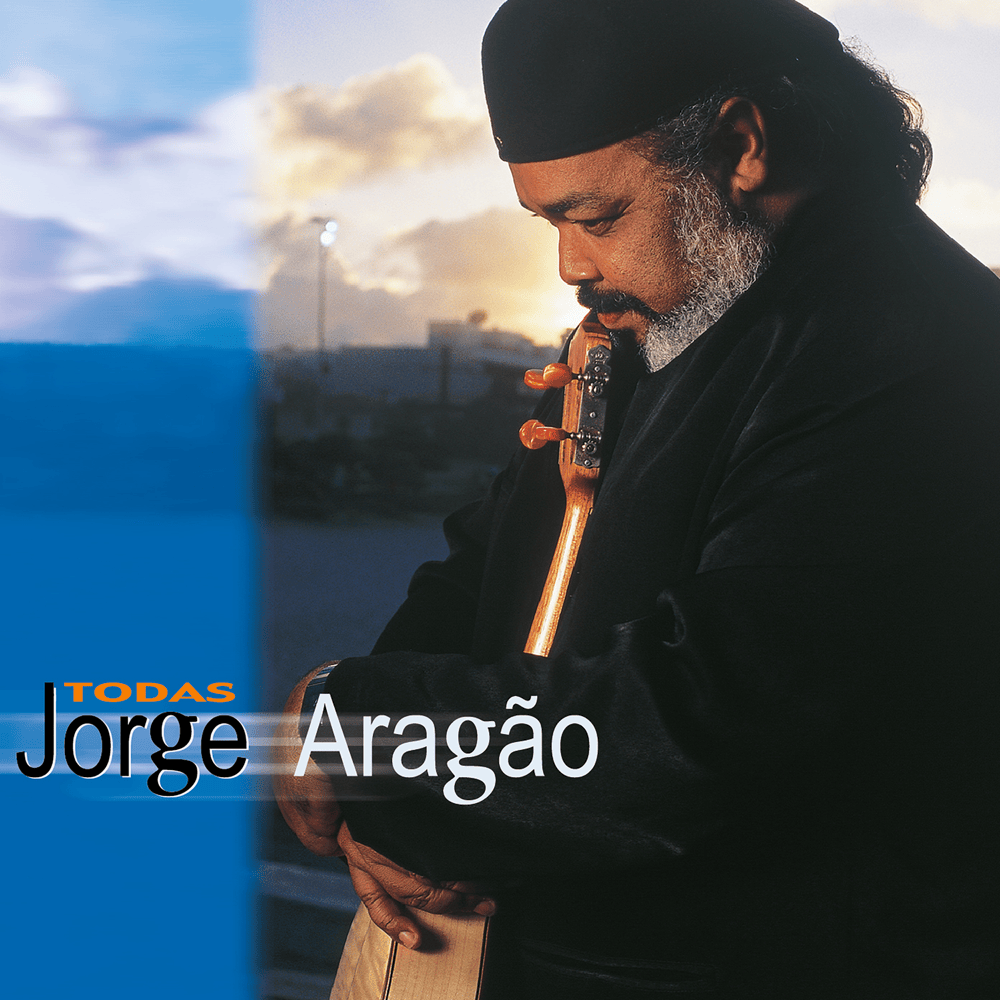
 View Artist