Song Meaning
Jordin Sparks' rendition of "I (Who Have Nothing)" is a raw, almost desperate, outpouring of unrequited love. Stripped bare of material possessions and social standing, the narrator's identity is reduced to the purity—and pain—of her affection. The 'nothing' she possesses becomes everything because it amplifies the intensity of her feelings. The song's power lies in this stark contrast: the opulence enjoyed by the object of her affection versus the emotional wealth she alone offers. It's a timeless exploration of class disparity and emotional longing, where love transcends the superficial trappings of wealth and status. The lyrics paint a vivid picture of longing and exclusion. The narrator is outside, looking in, a poignant observer of a world she can't access, symbolized by the 'nose pressed up against the window pane.'
What makes "I (Who Have Nothing)" so affecting is its unflinching honesty. There's no attempt to sugarcoat the agony of watching the one you love with someone else. The diamonds and fancy restaurants, meant to impress, become painful reminders of what the narrator lacks. Yet, she asserts that these material gifts are no match for the depth of her love. This isn't about bitterness or envy; it's a declaration of emotional superiority, a belief that true connection transcends wealth. The repetition of 'I love you' in the outro isn't just a closing statement; it's a desperate plea, a final attempt to bridge the gap between her 'nothing' and the world of 'something' inhabited by her beloved.
The song's core resonates with a deep psychological truth: the human need for validation and recognition, especially in love. The narrator's identity is intertwined with her feelings for this person; without their reciprocation, she feels like 'no one.' The willingness to offer everything, even from a place of perceived lack, speaks to the self-sacrificing nature of love and the hope that pure emotion can overcome any obstacle. Ultimately, "I (Who Have Nothing)" is a potent reminder of the vulnerability inherent in loving deeply, especially when faced with the barriers of social inequality and unrequited desire.
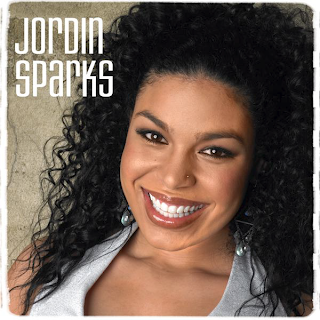
 View Artist