Song Meaning
The lyrics paint a picture of an intense, almost fated connection that feels both familiar and entirely new. The narrator describes locking eyes with someone, recognizing them as if they've known each other forever, despite the encounter feeling like a first meeting. This paradox of instant recognition and unknown faces creates a palpable sense of mystery and deep, unspoken history between two people. The dominant tone is one of yearning and frustration, as the narrator struggles against an unseen barrier.
The central tension lies in the narrator's desperate attempts to break through an emotional or psychological lock. The repeated phrase "Reyni að brjótast inn" (trying to break in) coupled with "saf hengilás inn" (safeguard/lock in a padlock) suggests a powerful, internal resistance. It seems the heart is trying to force its way forward, but an external or perhaps self-imposed "hengilás" is preventing any progress, leaving the narrator feeling stuck and defeated. This internal struggle is the core of the song's emotional weight.
The most striking aspect of the craft is the stark contrast between the feeling of lifelong familiarity and the present barrier. The lyrics "Ó, við horfðumst í ókunn augun / Samt höfðum þekkst alla tíð" (Oh, we looked into unknown eyes / Yet had known each other all our lives) perfectly encapsulate this paradox. The repeated chorus, detailing the futile attempts to break in against the "hengilás," hammers home the feeling of being trapped. The imagery of a padlock on the heart is a potent metaphor for emotional inaccessibility or an unresolved past.
This lyrical construction is effective because it taps into a universal experience of yearning for connection while being held back by unseen forces. The frustration of trying to reach someone, or perhaps a part of oneself, only to be met with an unyielding "lock" is deeply resonant. The Icelandic language, with its evocative phrasing, lends a unique, almost melancholic texture to this struggle, making the emotional core of the song feel both specific and profoundly felt.
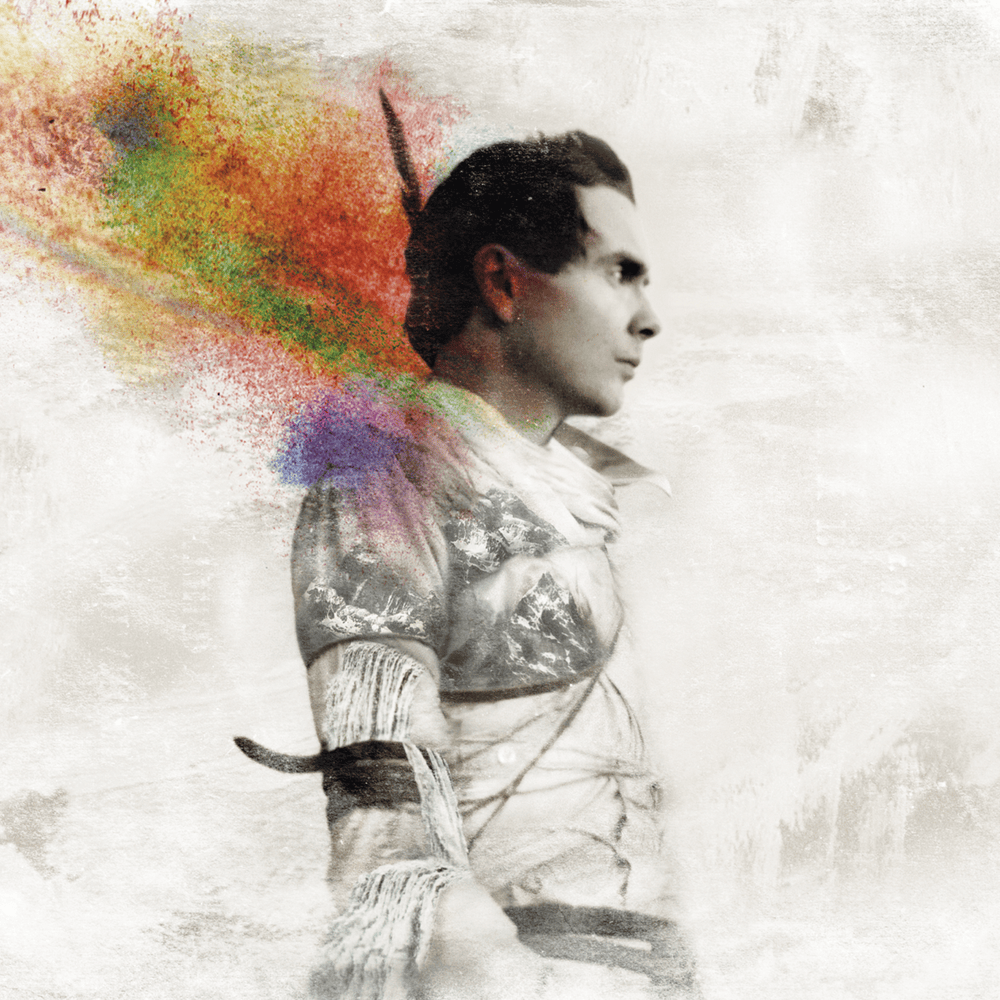
 View Artist