Song Meaning
The lyrics paint a picture of a bizarre celebration, a "holiday for freaks," where guests gather around a round table in a cabinet. The dominant mood is one of anxious performance, as a "worried toast" prompts reflection on the difficulty of shocking anyone anymore. The narrator observes a disturbing detachment; no one seems to fear or react, leading to a sense of profound emptiness. This lack of visceral response fuels a desperate need to escalate, to "develop monstrous deeds even further" just to elicit tears from the most hardened individual.
The central tension arises from this failed attempt at provocation. The narrator laments that "no one is afraid, they turn their backs," and that "it doesn't feel like anything." The chorus, "Hey, everyone laughs, who can laugh to your face?" highlights the sting of being met with amusement rather than the desired fear or shock. This suggests a performer whose act has become so outlandish that it's lost its power to disturb, instead becoming a source of detached, almost pitying, laughter.
This sense of lost power is amplified by the contrast between the present and the past. The lyrics recall a time when "spells" could "once command fear." Now, the "freaks" are merely "rolling their glass eyes," a passive, unfeeling observation. The repeated question, "Who can laugh to your face?" becomes a desperate plea, a challenge to the audience that seems to fall on deaf ears. The final lines, "They just sing..." suggest a continued, perhaps even joyful, indifference from the audience, a stark counterpoint to the narrator's escalating desperation.
The effectiveness of these lyrics lies in their unsettling portrayal of a performer's existential dread. The inability to provoke a genuine reaction, not even fear, reduces the narrator and their "monstrous deeds" to a spectacle that elicits only hollow laughter. It’s a sharp commentary on the search for impact in a world that has seemingly become desensitized, where the ultimate failure is not to be hated, but to be utterly ignored or, worse, found amusing.
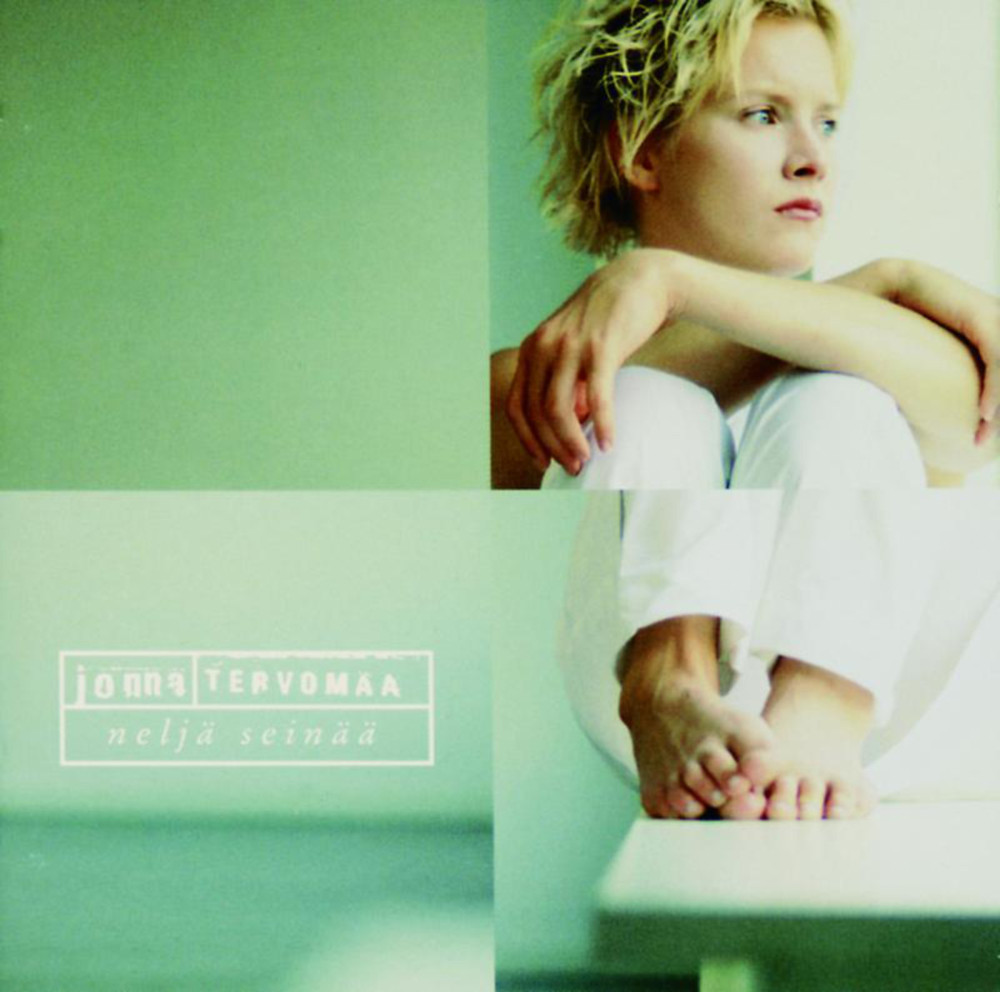
 View Artist