Song Meaning
This song paints a picture of absolute devotion, where the narrator finds their entire world in a single person, "Saanvre." The opening lines immediately establish a powerful sense of detachment from external validation: "Jag chhute to chhute mujhe kya" (If the world leaves, what do I care?). This isn't apathy, but a radical reorientation of focus, placing all stakes – "dil ne lagaya tujh hi pe daanv re" (my heart has bet everything on you) – on this one beloved.
The central tension lies in this all-consuming, almost reckless love. The narrator declares they would "luta doon main to saari zindagi" (spend my whole life) and have "jeeti hai maine bas ye teri chaahatein" (lived only by these desires of yours), all achieved by "haar ke, haar ke re" (losing, losing). This paradox of finding fulfillment through surrender and loss is the emotional core, amplified by the repeated, almost mantra-like "Dil beparwah re" (carefree heart).
The lyrics use vivid imagery to describe the deepening connection. The idea of dreams chasing beyond sleep, "neendon se aage jab khwaab bhaage" (when dreams run beyond sleep), suggests an all-encompassing obsession that transcends even the subconscious. Later, the narrator finds a "doosri zindagi" (another life) within their beloved's eyes, indicating a profound sense of merging and shared existence. This isn't just attraction; it's a spiritual or existential alignment.
What makes this devotion so potent is its unapologetic nature. The repeated call to the heart, "Dil na sharma re, ban beparwah re" (Heart, don't be shy, become carefree), encourages shedding all inhibitions. The narrator finds their "khud se bhi zyada bekhudi" (selflessness more than myself) in this love, suggesting a transformation that feels both liberating and absolute. It’s a love that doesn't just exist alongside life; it *is* life.
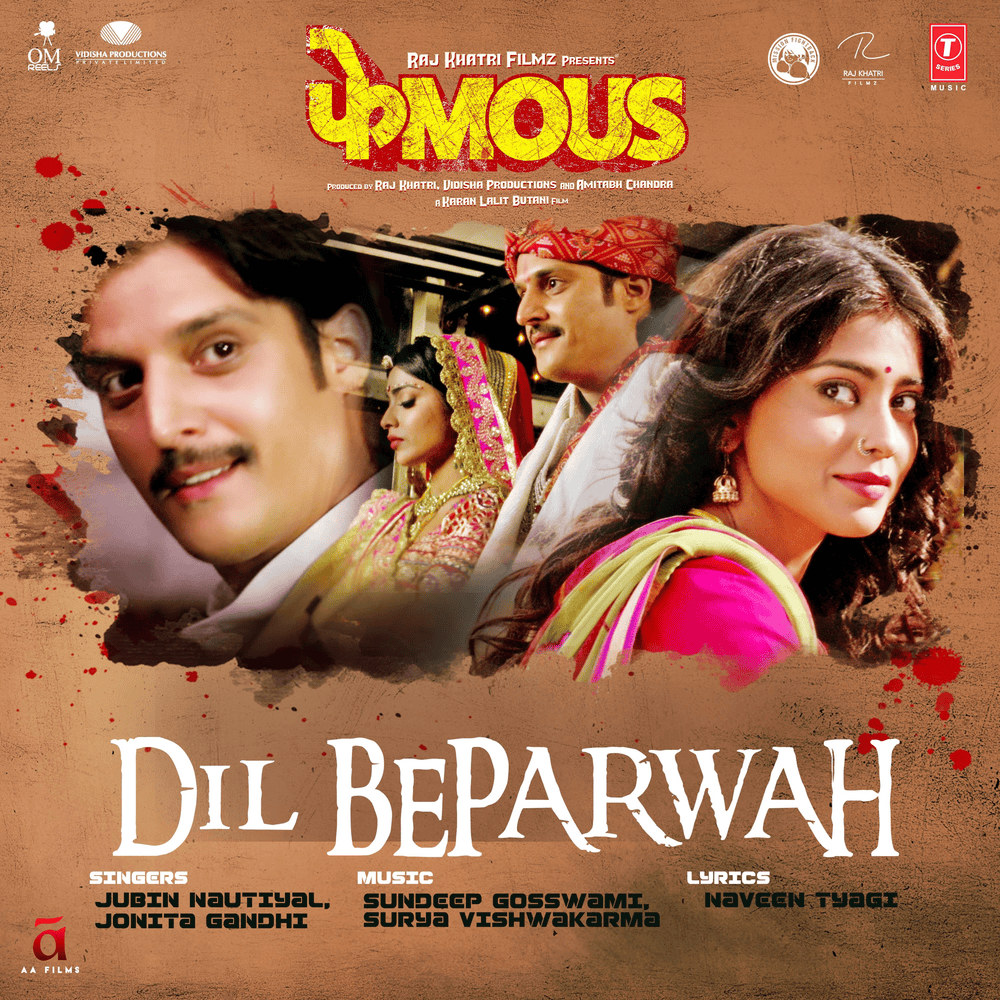
 View Artist