Song Meaning
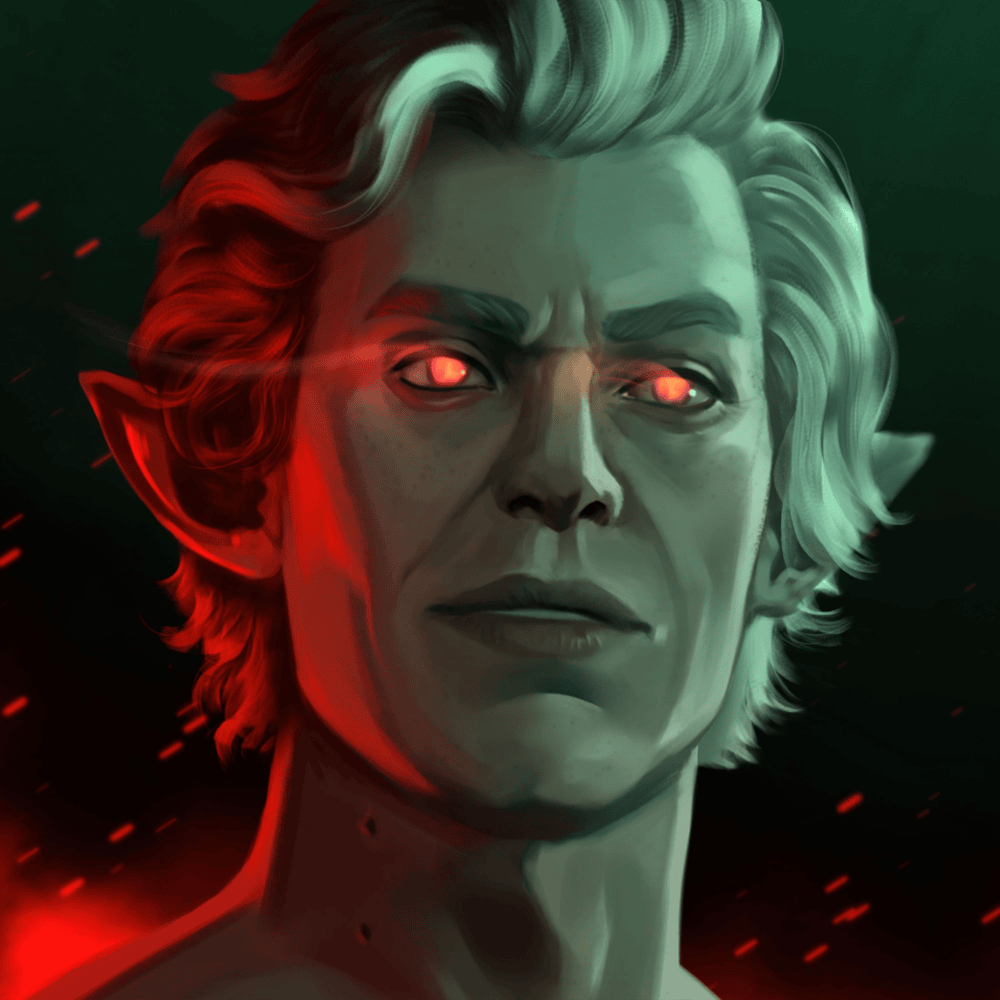
The lyrics for "The Pale Elf" immediately plunge us into a stark, gothic scene, introducing a creature with "Eyes as red as blood / Skin as white as snow." This figure, the titular pale elf, is depicted in a debased state, "Eating rats down in the mud," establishing a sense of ancient suffering and a primal, unsettling existence.
Central to the narrative is the complex idea of freedom. We learn that "The parasite has freed / The puppet from his chains," an ironic liberation where one form of control seems to replace another. The lyrics immediately question the true value of this newfound liberty, asking if "for power and for greed / Will his freedom be in vain?" This suggests that breaking physical bonds doesn't necessarily equate to true emancipation, especially if internal drives remain unchecked.
The chorus directly implicates the listener, shifting from description to a pointed interrogation: "Tell me will you save the pale elf?" The lyrics present a nuanced view of the creature as a "sinful, broken frail self," acknowledging both its dangerous nature and its vulnerability. The ultimate challenge arrives with the chilling question, "Will you accept his fangs?" — a demand to confront and potentially embrace the creature's inherent, perilous identity.
This moral dilemma deepens as the lyrics reveal that "not all his chains are gone / When vengeance still remains?" Here, vengeance becomes a new form of enslavement, binding the creature even after its physical chains are broken. The final, unsettling question, "Will you proudly be a pawn / In the vampire's game?" directly warns the listener, forcing a confrontation with the potential consequences of engaging with this complex, dangerous, yet perhaps pitiable figure. The lyrics effectively craft a narrative that explores the elusive nature of freedom and the difficult choices involved in confronting true darkness.
 View Artist