Song Meaning
The lyrics paint a stark picture of humanity's potential future, posing a series of unsettling questions about where we might end up. The narrator wonders about a future where people live entirely "underground" or "beneath the sea," creating a sense of confinement and detachment from the natural world. These imagined scenarios are not presented as utopian escapes but rather as potential necessities, driven by an implied environmental or societal collapse that forces these drastic migrations. The repeated questions about "when will they ever come out" and whether children will "ever feel the sun" highlight a profound loss of connection to the surface world and its familiar comforts.
The central tension lies in the contrast between these extreme, enclosed environments and the faint hope for a return to normalcy or discovery. In the subterranean cities, children are sent to play in a "soundbay," an artificial substitute for open air, while beneath the sea, a mother tells her baby that the past was "a lighter place." This evokes a deep melancholy, a yearning for a lost world. The possibility of children someday feeling the sun offers a fragile glimmer of optimism, but it's framed as a distant, uncertain future, dependent on being a "good baby."
The most striking element is the repeated, almost chant-like "Fa fa fa fa fa fazon fazon fazon." This nonsensical phrase acts as a refrain, a sonic punctuation mark that seems to punctuate the narrator's existential queries. It could be interpreted as a primal sound, a sigh of resignation, or even a distorted echo of human speech in these alien environments. Its repetition underscores the vastness of the questions and the lack of concrete answers, creating an atmosphere of both bewilderment and a strange, almost hypnotic acceptance of these potential futures.
Ultimately, these lyrics resonate because they tap into a primal anxiety about displacement and the unknown consequences of our actions. The writing doesn't offer solutions but instead forces the listener to confront the unsettling possibilities of human adaptation and the potential erosion of fundamental connections to nature and light. The effectiveness comes from the stark imagery and the unresolved questions, leaving a lingering sense of unease and contemplation about humanity's trajectory.
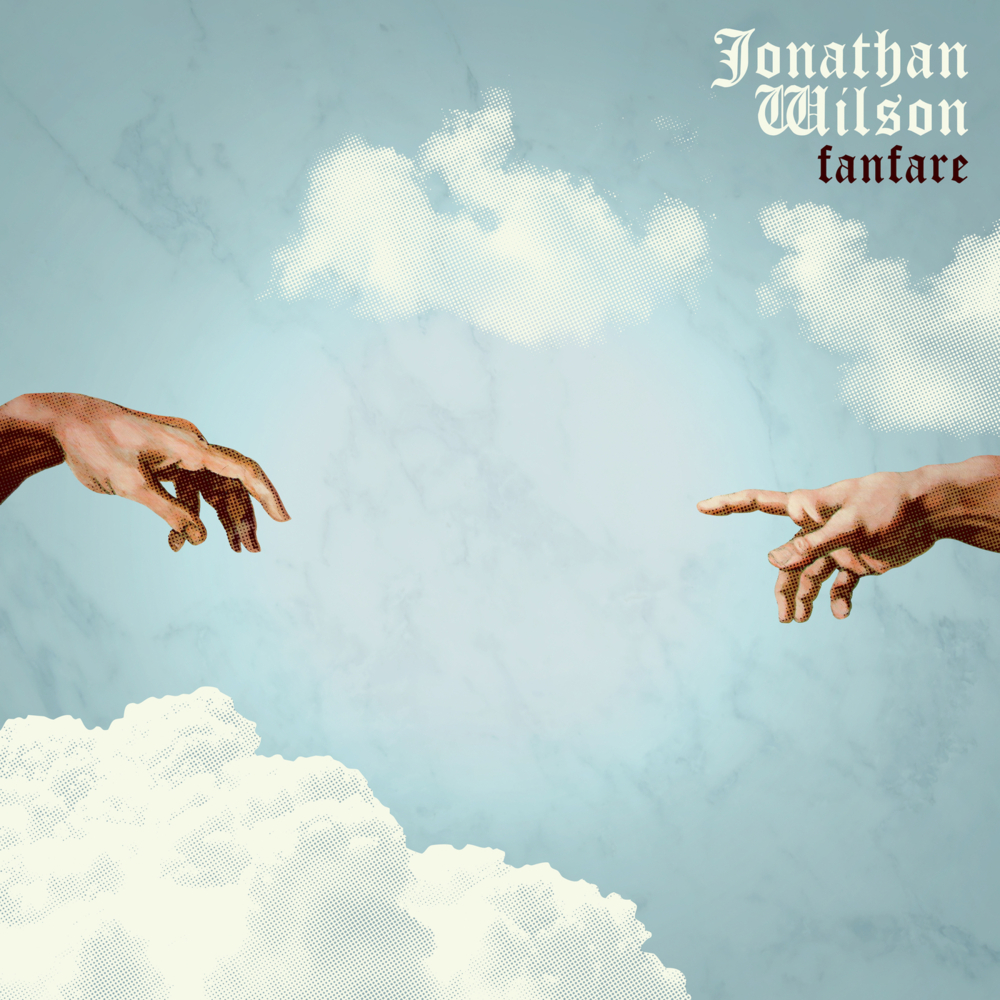
 View Artist