Song Meaning
The lyrics present a stark invitation: if the party isn't your scene, just bounce. There's an immediate dismissal of social niceties, suggesting that forced politeness is more burdensome than honest departure. The narrator insists there'll be "no criminations next day," framing the exit as a clean break, free from future recriminations or bruised egos. It’s a blunt assertion that genuine comfort trumps superficial social performance.
The core tension arises from the narrator's awareness of the guest's discomfort versus the desire for authentic interaction. The line "I know you wanna go" reveals an almost prescient understanding of the other person's internal state. This isn't about wanting someone to stay; it's about recognizing the paralysis of feeling trapped, questioning if that feeling itself defines the difference between a vibrant life and a dull one. The repeated "Just go" acts as both an instruction and a plea for honesty.
The most striking craft element is the repeated contrast between the party setting and the idea of school. "This ain't school" directly challenges the obligation to remain present, stripping away any pretense of required attendance or participation. This comparison highlights the artificiality of social obligations, suggesting that adult gatherings should, ideally, be free from such rigid expectations. The insistence that "Politeness don't work around here" further dismantles the conventional social contract, prioritizing directness over performative courtesy.
Ultimately, the lyrics resonate because they articulate a desire for unvarnished honesty in social situations. The bluntness, while potentially jarring, offers a strange kind of liberation. By removing the pressure to feign enjoyment, the narrator creates space for genuine feelings, whether that means staying and engaging or leaving without manufactured guilt. It’s an anthem for anyone who’s ever felt obligated to endure a situation they’d rather escape.
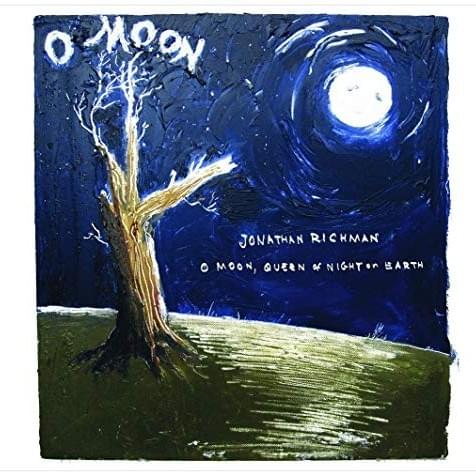
 View Artist