Song Meaning
The lyrics present a direct, almost anxious interrogation of love's endurance. One speaker, Bobby, repeatedly asks if his partner, Sandra, would remain committed despite his humble station. Sandra's replies are immediate and resolute, affirming her devotion. It's a raw, intimate exchange about the foundations of a relationship.
The central tension lies in Bobby's repeated hypothetical scenarios, which test the boundaries of unconditional love. He imagines himself as a "carpenter" or "tinker," occupations that imply a lack of social standing compared to Sandra's implied status as a "lady." His questions, "Would you marry me anyway?" and "Would you have my baby?", cut straight to the foundational pillars of a shared life, revealing a deep-seated need for reassurance that love transcends material or social distinctions.
Sandra's responses are the emotional anchor, particularly her declaration, "I've given you my holiness / Come give me your tomorrow." The word "holiness" elevates her commitment beyond mere affection, suggesting a sacred, complete surrender of self. This isn't just a promise; it's a spiritual offering, demanding an equally profound, future-oriented commitment in return. Her simple "Yes, I would" and the powerful "I would put you above me" directly counter Bobby's anxieties, making her devotion feel absolute and unwavering.
The effectiveness of these lyrics stems from their stark simplicity and the powerful call-and-response structure. Bobby's vulnerability in posing such fundamental questions about worthiness resonates deeply. Sandra's unwavering affirmations, especially her willingness to "put you above me" and share a future despite potential hardships ("loneliness" and "sorrow"), transform the exchange into a profound testament to enduring, unconditional love. The shared refrain solidifies their mutual promise, making their bond feel both deeply personal and universally aspirational.
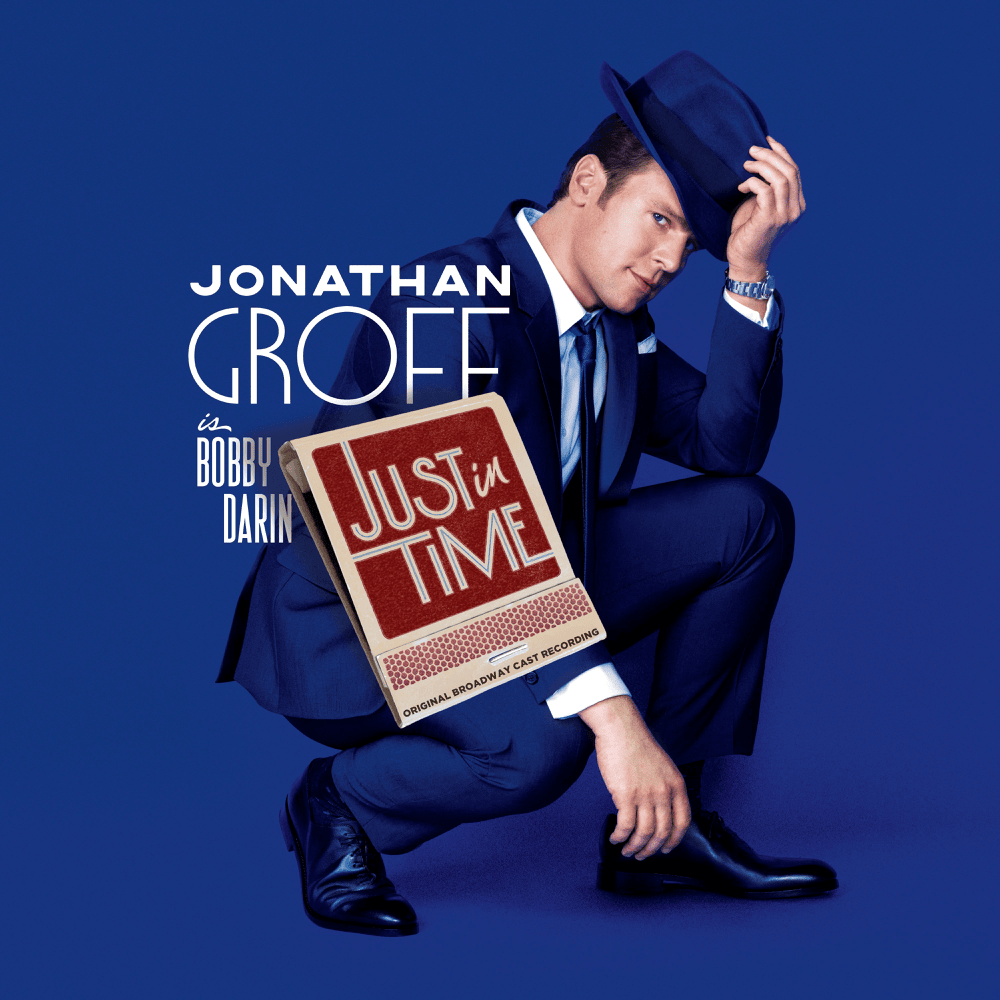
 View Artist