Song Meaning
Jonathan Edwards's simple proclamation, "The Christian Life," belies a complex undercurrent of social negotiation and personal conviction. The song's surface cheerfulness—"I am happy and I sing with pride"—masks the potential for alienation that often accompanies a decisive shift in personal values, particularly one as culturally charged as embracing a devout Christian lifestyle. The lyrics become a defense mechanism, a repeated affirmation against the implicit judgment of his former peer group. It's a bold statement of self-reliance, tinged with a hint of sadness. Edwards isn't just celebrating his newfound faith; he's also steeling himself against the inevitable social fallout.
The core tension in "The Christian Life" arises from the push and pull between individual salvation and communal belonging. Edwards acknowledges the strain in his relationships: "My buddies shun me since I've turned to Jesus." Yet, he frames this rejection not as a loss, but as a test of true friendship: "For what is a friend who'd want you to fall?" This rhetorical question highlights the song's central argument: that genuine connection transcends shared vices or worldly pleasures. He elevates his spiritual path above the fleeting bonds of his previous life, suggesting a re-evaluation of what constitutes meaningful relationships.
Ultimately, "The Christian Life" presents a portrait of faith as both a source of personal joy and a potential catalyst for social friction. The repetition of "I like the Christian life" isn't just a simple endorsement; it's a declaration of independence, a refusal to compromise his beliefs in the face of external pressure. While the song lacks overt complexity, its emotional honesty and willingness to confront the challenges of living according to one's convictions resonate with a quiet strength. Edwards isn't preaching; he's simply stating his truth, even if that truth means standing apart from the crowd.
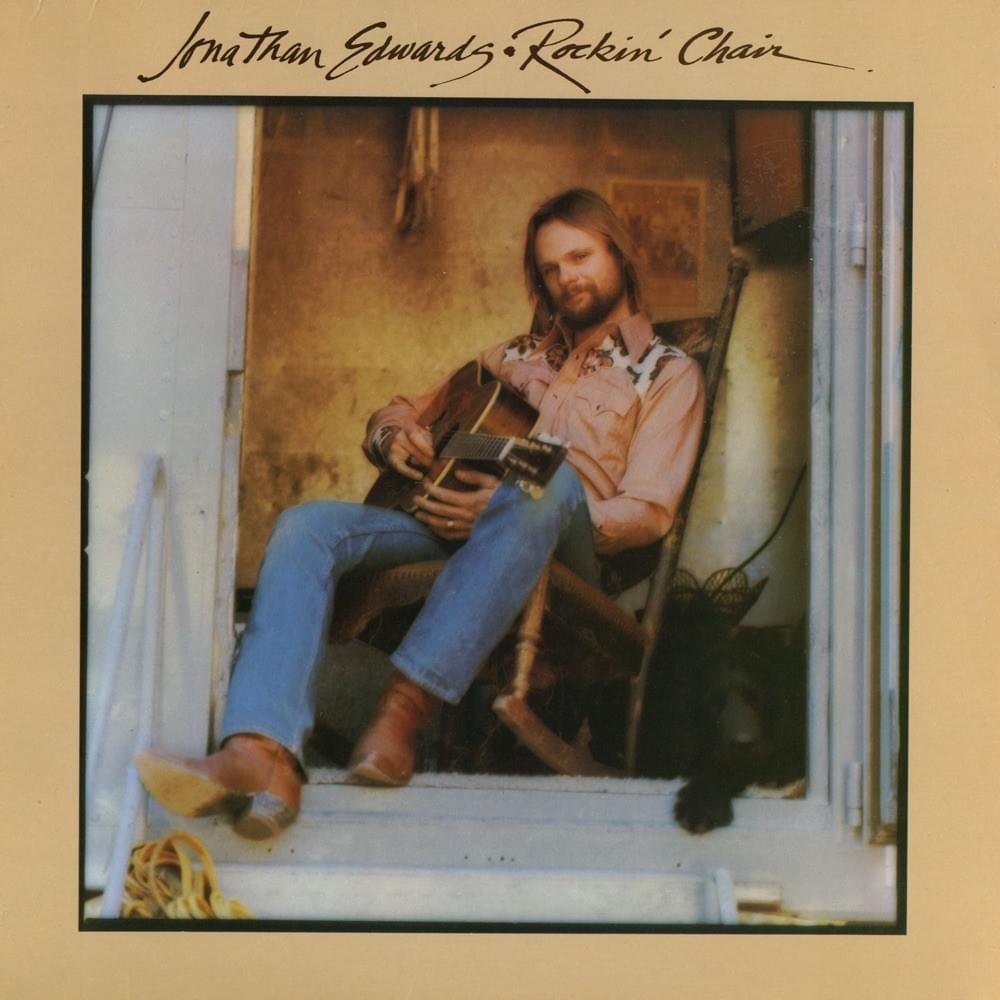
 View Artist