Song Meaning
Jonathan Davis, the driving force behind Korn, has always been unflinchingly raw in his explorations of personal torment. In "Happiness," Davis cuts straight to the vein of toxic relationships, dissecting the power dynamics that thrive on emotional depletion. The song meaning isn't shrouded in metaphor; it's a direct confrontation with someone who consistently undermines and diminishes the singer's sense of self-worth. This isn't just about garden-variety interpersonal conflict; it's about the insidious erosion of joy inflicted by a person who seems intent on keeping Davis from experiencing any semblance of contentment. The repetition of lines like "You were never there for me at all" and "You always got to tear my down" underscores the cyclical nature of this destructive pattern.
The lyrics paint a picture of a relationship where the other person always has to "get the last word," leaving Davis feeling perpetually blindsided and invalidated. It's a scenario familiar to anyone who's been trapped in a dynamic with a narcissist or someone who thrives on control. The repeated declaration that "My happiness is never allowed" is particularly poignant. It suggests a deep-seated belief, perhaps internalized over time, that the singer is somehow unworthy of joy or that their happiness is a threat to the other person. This isn't just about external oppression; it's about the internal wounds inflicted by consistent emotional abuse.
While the overall tone is one of pain and frustration, there's also a flicker of defiance in the lyrics. The line "One of these days your words will ricochet off me tearing off your hide" hints at a breaking point, a moment of realization that the singer is no longer willing to be a punching bag. It suggests a nascent desire for self-preservation and a refusal to continue absorbing the toxic projections of the other person. Whether this defiance will ultimately lead to liberation remains to be seen, but it's a crucial turning point in the narrative of the song, a glimmer of hope amidst the darkness. Jonathan Davis uses this song to explore the concept of taking your power back.
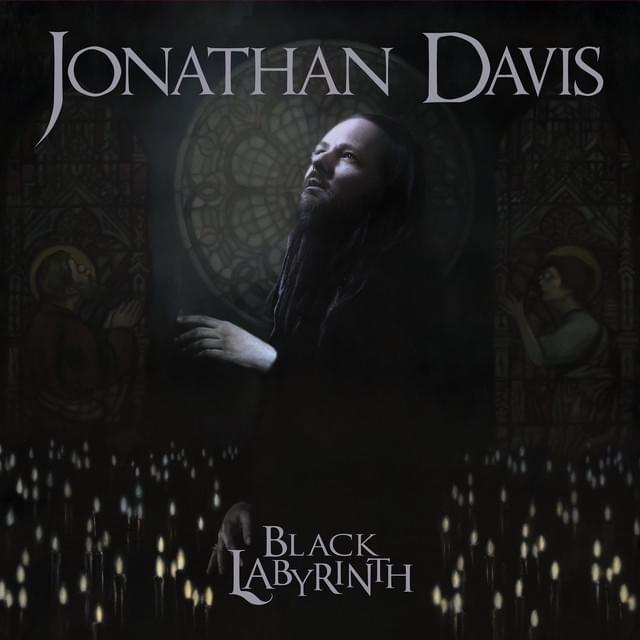
 View Artist