Song Meaning
The lyrics paint a picture of a deeply personal, almost mystical journey back to a place of belonging. This isn't just about returning home; it's about finding a specific spot, "where time stands still," illuminated by the memory of someone important. The narrator feels an undeniable pull towards this destination, a place that feels inherently right and destined for them. It's a landscape charged with personal significance, a sanctuary where the narrator can finally "wander."
The central tension lies between the present reality and this longed-for past or future destination. The "road" acts as a conduit, a path that connects the narrator to this idealized space. It's a road that seems both predetermined, "made by the man who tells the tale," and universally accessible, "for you and me." This suggests a narrative where personal destiny intertwines with a larger, perhaps cosmic, storytelling.
The most striking element is the ethereal nature of this road and its destination. It's not a physical, mundane path but one that exists "in the midst of all creation," implying a spiritual or metaphysical dimension. The idea that time "stands still" by the lake further emphasizes this otherworldly quality, a place outside the normal flow of existence. The road is presented as a fundamental part of the universe's fabric, a route for connection and return.
This lyrical construction is effective because it taps into a universal human desire for a place of peace and belonging. The ambiguity of the "man who tells the tale" and the "road that travels all ways" allows listeners to project their own sense of destiny and ultimate destination onto the narrative. The focus on memory, stillness, and creation imbues the simple image of a road with profound emotional weight, making the return feel like a homecoming of the soul.
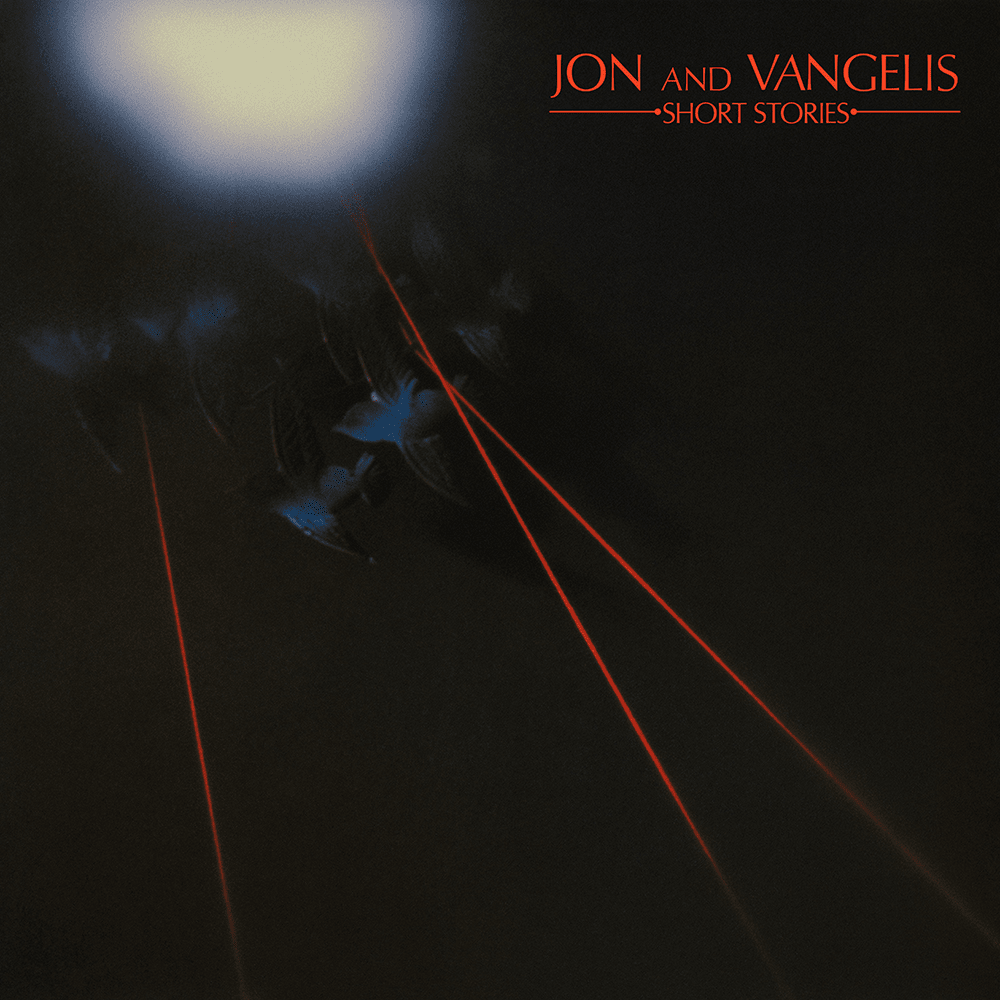
 View Artist