Song Meaning
{"song_id": 10113787, "meaning": "In \"Loose Yourself To Dance - Recorded At Electric Lady,\" Jon Batiste offers a balm for the soul, a sonic prescription for the anxieties of modern life. The track isn't a complex narrative; instead, its power lies in its directness. Batiste acknowledges the relentless pace of existence, the feeling of being caught in an endless cycle (\"I know your life is speedin' and it isn't stoppin'\"). He offers a simple, yet profound solution: release. The repeated invitation to \"lose yourself to dance\" becomes a mantra, a call to shed inhibitions and find liberation in movement. It's a primal urge, a return to the body as a source of joy and escape. The offer of a shirt to wipe away the \"sweat, sweat, sweat\" is an act of intimate empathy, a recognition of the physical toll that stress takes.
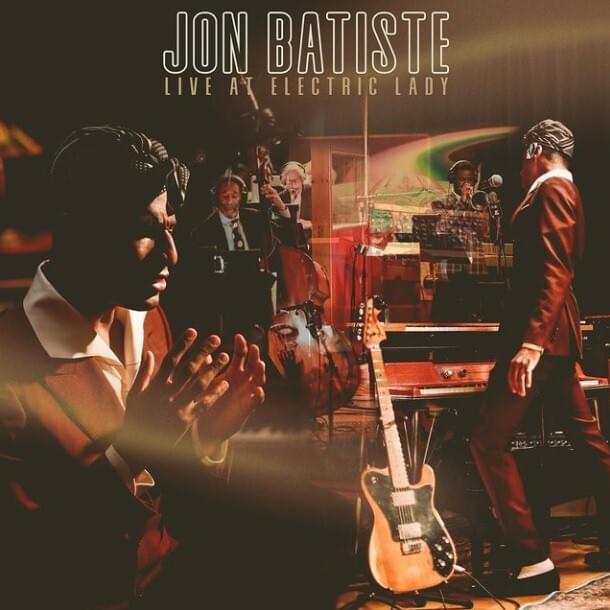
The genius of \"Loose Yourself To Dance\" is in its understanding of the human need for catharsis. Batiste taps into the universal desire to disconnect from the mental chatter and reconnect with the physical self. The repetition in the lyrics isn't a flaw; it's a deliberate choice, mirroring the hypnotic effect of dance itself. It's an invitation to surrender to the rhythm, to let the music wash over you and carry you away from the pressures of daily life. The Electric Lady studio setting likely amplifies this feeling; its storied history as a haven for musical exploration adds a layer of authenticity and artistic weight to the message.
Ultimately, the song's meaning resides in its simplicity. Jon Batiste isn't offering a grand philosophical statement; he's offering an invitation to experience the transformative power of dance. It's a reminder that amidst the chaos and demands of modern life, there's always the option to find release, renewal, and connection within the rhythm. The lyrics analysis reveals a profound understanding of the human condition. The song acts as a kind of therapy, an accessible and immediate way to alleviate the burden of constant pressure and mental fatigue. It's a testament to the power of music to heal and liberate."}
 View Artist