Song Meaning
The lyrics paint a picture of an ethereal, almost insubstantial figure, a "ghostly girl" who seems disconnected from reality. The narrator observes her lightness, her unfinished actions, and directly states her unreality. This sets up a melancholic, almost detached tone, questioning the presence of both the girl and the narrator themselves.
The central tension arises from the narrator's complex relationship with this spectral presence. While acknowledging her unreality and the social stigma against "spooks," the narrator admits to having "loved some ghosts." This suggests a history of attraction to the intangible or perhaps the damaged, yet a clear desire for distance: "that doesn't mean I want them around." The narrator seems to prefer being "lost than found," indicating a comfort in ambiguity or avoidance.
The most striking shift occurs when the narrator's perspective changes through the girl's eyes. What was once a mundane or perhaps oppressive urban landscape, seen "past the billboards," transforms into a scene of natural resilience. The "flowering weeds" growing through "cracks of the city" offer a vision of persistent life and eventual renewal. This suggests the ghostly girl, despite her unreality, provides a unique lens for seeing beauty and growth.
Ultimately, the effectiveness of these lyrics lies in their delicate portrayal of isolation and unexpected connection. The narrator’s initial detachment and confusion give way to a quiet appreciation for a different way of seeing the world, even if that vision comes from a "ghostly girl." The final lines offer a sense of peace and transcendence, suggesting that even ephemeral beings and overlooked nature have their place, returning "home in the sky."
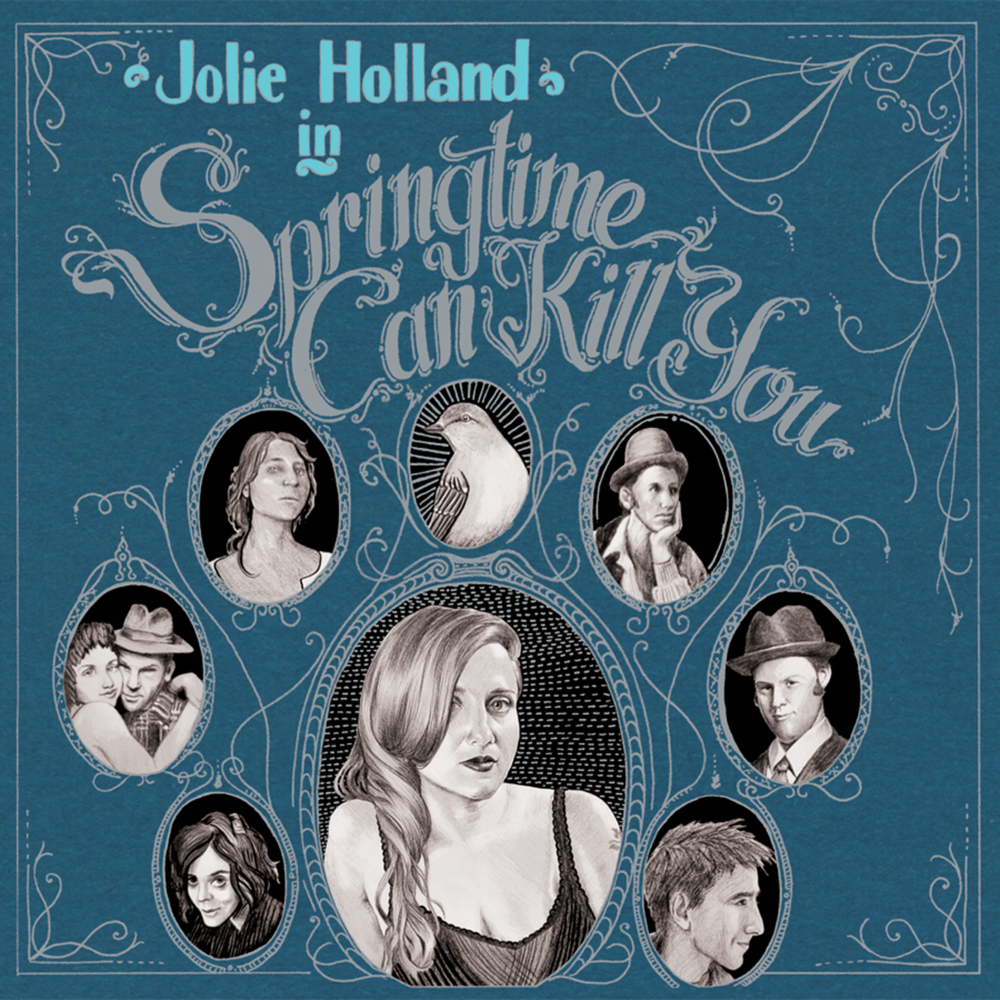
 View Artist