Song Meaning
The narrator immediately establishes a scene of intense conflict and danger, painting a picture of a distant, hostile village where proximity is a trap. The imagery of "bazuka" and "tuzakla" (traps) sets a tone of immediate, physical threat, amplified by the specific mention of "Yıl 2006 darp yine atakta" (Year 2006 assault again attacking). This isn't just a metaphor; it feels like a direct confrontation with a tangible, aggressive force.
The core tension arises from the narrator's defiant stance against this overwhelming opposition. Despite being "çevrili kankalar" (surrounded by friends) and facing a "hasım zayıf düşük yatakta" (enemy weak in bed), the narrator declares a "harbe çıktık" (went to war) with "üç mc" (three MCs) at dawn. This highlights a struggle for survival and dominance in a hostile environment, where even perceived weakness in the enemy doesn't diminish the perceived threat.
The most striking aspect is the repeated, emphatic declaration: "Yeraltından geliyorum lan bana çatma" (I'm coming from underground, don't mess with me). This phrase acts as both a warning and a declaration of origin, suggesting a rise from obscurity or a marginalized position to confront established powers. The contrast between the "üç kuruşluk rapini YTL'ye satma" (selling your three-penny rap for YTL) and the narrator's own underground origins underscores a disdain for commercialism and a pride in their raw, unpolished beginnings.
This lyrical construction is effective because it grounds abstract conflict in visceral, almost militaristic language. The narrator's refusal to "tatma" (taste) the "pıhtı" (clot) in their veins and their rejection of selling out their "üç kuruşluk rap" create a potent image of integrity and resilience. The raw, confrontational tone, coupled with the repeated assertion of their underground roots, makes the narrator's defiance feel earned and deeply rooted.
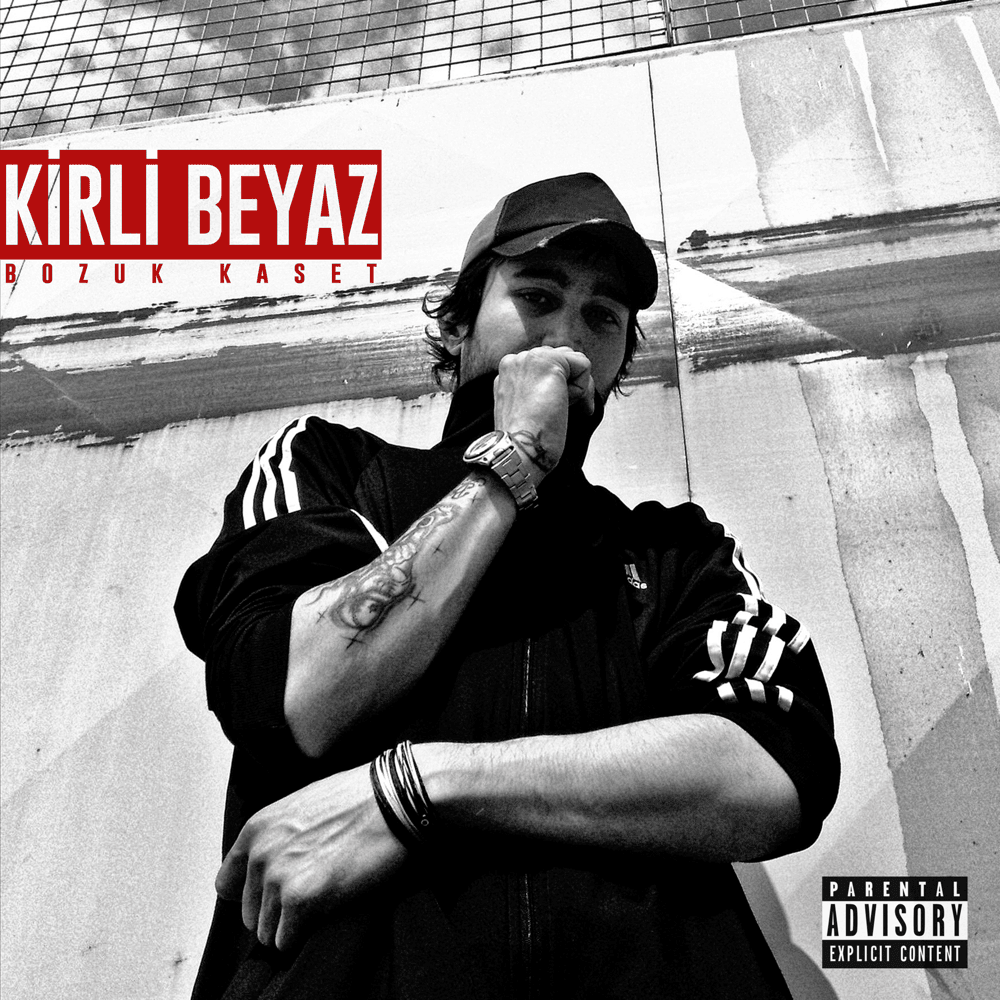
 View Artist