Song Meaning
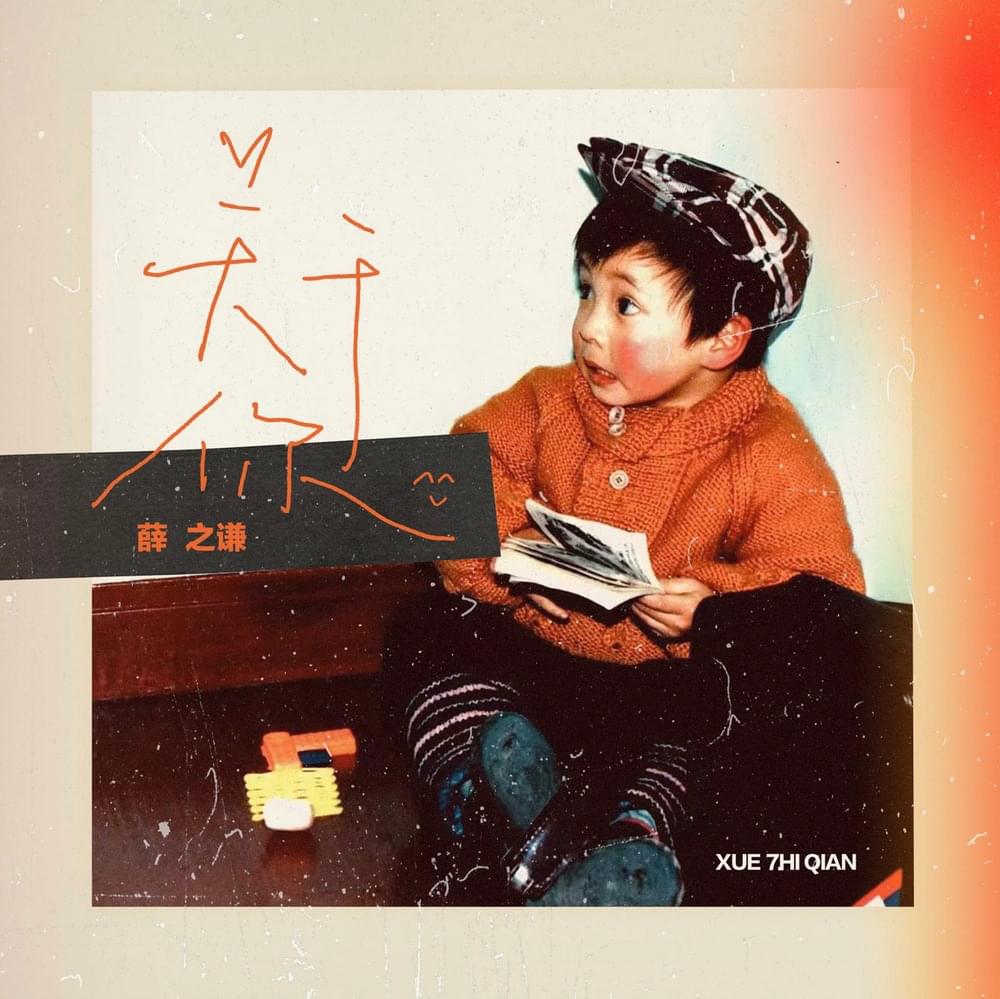
The lyrics paint a poignant picture of a childhood marked by a profound absence, where the narrator's earliest memories are of a parent's gentle touch and the subsequent loneliness that followed. The opening lines establish a tender, almost dreamlike beginning: "a cry in July," then "your smile after I opened my eyes." This is quickly contrasted with the narrator's solitary childhood, "envying children with rides," finding solace only in nature, interpreting "butterflies and ladybugs" as manifestations of a lost parental affection. The core of this early section is the narrator's desperate attempt to find that parental presence in everything around them, a fragile coping mechanism for abandonment.
This longing intensifies as the narrator grapples with the fading memory of the person they miss. The chorus reveals a desperate need to hold onto details, lamenting, "I want to record you, but there's nothing new," and the painful realization that "time has stolen so many memories." The fear of forgetting is palpable, as the narrator admits, "I can barely remember your appearance." This isn't just about forgetting a face; it's about losing the anchor of their past, the very foundation of their identity.
The lyrics then shift to the narrator's own adulthood, marked by a different kind of struggle. The mention of "debut" and "name unchanged" suggests a public persona, while the "demolished old home" signifies a lost physical connection to the past. The narrator reflects on misguided attempts at maturity, seeing "smoking and drinking as maturity" during their "most childish time." This self-awareness highlights the lasting impact of that early abandonment, as they continue to search for validation and connection, even if through flawed means.
The emotional core of the song lies in the narrator's desperate, almost futile attempts to reconnect with the absent figure. The chorus reveals a cascade of unfulfilled communication: "I wrote many letters, clumsy handwriting, nowhere to send them." The ultimate heartbreak is that even their own words fail to capture the essence of the person they miss, "even the writing doesn't look like you anymore." The plea to "dream of you, but you don't respond" underscores a profound sense of isolation, leading to the self-reflective, heartbreaking instruction: "If you miss me, just look at myself in the mirror." This final image suggests the narrator has become a reflection of the absence, a living testament to the person they lost, forever searching for a connection that remains just out of reach.
 View Artist