Song Meaning
The narrator is fed up with a partner's deceit and neglect, marking a turning point from passive suffering to active retribution. The repeated phrase "Too many times" acts as a drumbeat of accumulated grievances, highlighting a pattern of betrayal that can no longer be ignored. Initially, the narrator believed their love could mend the situation, but the realization of being "played for a fool" shatters that illusion, setting the stage for a dramatic shift in behavior.
The core tension lies in the narrator's transition from a state of lonely, anxious waiting to a decisive move towards self-preservation and revenge. While the partner indulged in freedom and fun, the narrator was left "home on the shelf," a stark contrast emphasizing the imbalance and selfishness in the relationship. This period of neglect fuels the narrator's newfound resolve to "learn the game" and ensure the partner faces consequences for their actions.
The lyrics effectively use repetition and a clear narrative arc to convey escalating frustration. The repeated accusation, "hurting me too many times," underscores the depth of the damage. The shift from passive acceptance to the assertive declaration, "Now I'm gonna have some fun / Taking care of number one," signals a powerful reclamation of agency. The partner's "words of love" are devalued as "ain't worth a dime," a sharp, dismissive image that underscores the betrayal.
This song resonates because it captures the raw, cathartic moment when a person decides they've had enough and will no longer tolerate mistreatment. The transformation from victim to avenger, driven by a clear sense of injustice and a desire for payback, is compelling. The narrator's determination to make the partner "soon be paying for your crimes" offers a satisfying, albeit harsh, resolution to the pain of repeated betrayal.
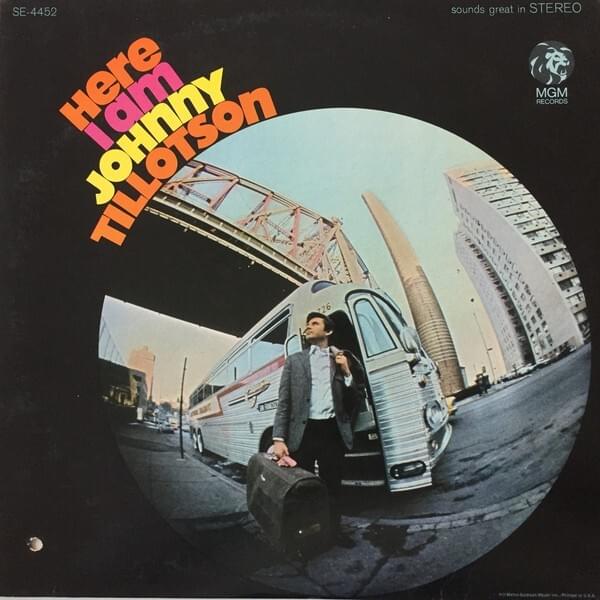
 View Artist