Song Meaning
The narrator is desperately searching for a mythical "lonely street," a place they imagine as a sanctuary for profound sorrow. The repeated question, "Where's this place called lonely street," underscores a deep, almost frantic need to find a physical location that mirrors their internal state of despair. This isn't just about sadness; it's about finding a designated spot to process a "sad, sad tale" and indulge in weeping, suggesting a desire for a space where grief is not only accepted but expected.
The imagined "lonely street" is characterized by "dim lights" that offer "forgetfulness" and a convergence of "broken dreams and memories." This creates a potent image of a liminal space, a kind of emotional purgatory where past hurts and shattered aspirations reside. The narrator seems to believe this street holds others who share their burden, individuals who have also come to "bury broken dreams" and witness "an old love die," implying a shared experience of profound loss and finality.
The lyrical construction emphasizes this yearning through insistent repetition and a simple, almost childlike plea. The phrase "lonely street" itself becomes a refrain, acting as both a destination and a descriptor of the narrator's current emotional landscape. The contrast between the desire for a physical place and the abstract nature of loneliness highlights the narrator's struggle to externalize and manage overwhelming internal pain. The dim lights and the act of forgetting suggest a complex relationship with memory, where the desire for oblivion is as strong as the need to confront sorrow.
Ultimately, the effectiveness of these lyrics lies in their raw, unvarnished expression of a universal human need: to find a place, real or imagined, where one's deepest pain can be acknowledged and perhaps, eventually, processed. The narrator isn't seeking comfort, but rather a space that validates their grief, a street where the act of weeping and remembering broken dreams feels like a natural, even necessary, part of the landscape.
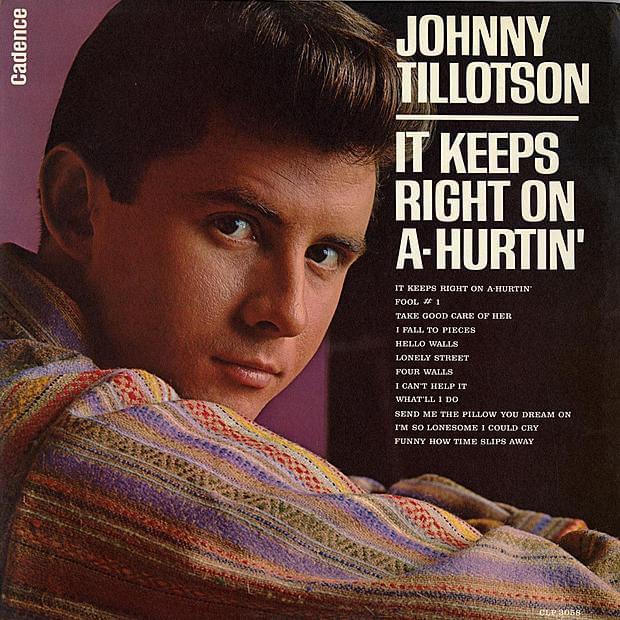
 View Artist