Song Meaning
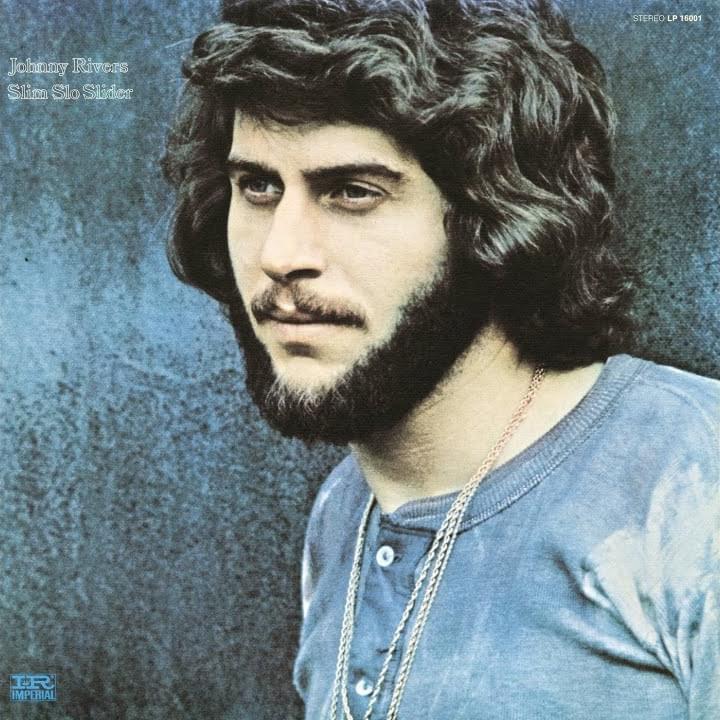
{"song_id": 15404297, "meaning": "Johnny Rivers' \"Enemies and Friends\" isn't a straightforward protest anthem, but a weary traveler's reflection on the turbulent late '60s. The opening line plants us firmly in 1969, a year synonymous with cultural upheaval, and sets the stage for a journey navigated on a \"highway of enemies and friends.\" This isn't just a physical road trip; it's a psychological one, a quest for some distant horizon, perhaps a sense of peace or understanding, before the inevitable \"end.\" The lyrical landscape suggests a world where alliances are fluid, and the line between ally and adversary blurs amidst the chaos. Rivers isn't necessarily taking sides, but rather observing the human cost of ideological conflict. The \"grave/gray distant/eastern line\" could represent a geographical location, but also hints at a spiritual or emotional boundary the narrator is striving to reach. This ambiguity is key to understanding the song's deeper meaning.
The recurring lines, \"And it's/we said how the good times just come and go / Like the wind, like the rain, like the time,\" serve as a melancholic mantra, a reminder of the ephemeral nature of joy and connection in a world consumed by change. This refrain acts as a counterpoint to the political unrest implied in the lines about \"revolution.\" The warning that \"Revolution they tell just to lose your friend\" suggests a deep cynicism about the promises of radical change. The narrator seems less concerned with grand political narratives and more focused on the preservation of personal relationships amidst the societal storm.
Ultimately, \"Enemies and Friends\" is a song about survival, both physical and emotional. The repeated plea, \"And I hope at the end you'll be mine,\" underscores the importance of human connection in the face of uncertainty. It's a simple, almost desperate desire for companionship, a recognition that even as the world crumbles, the need for love and belonging remains. The song's power lies in its understated delivery, its ability to capture the weariness and disillusionment of a generation without resorting to overt political statements. It's a nuanced portrait of a complex era, seen through the eyes of someone just trying to make it through."}
 View Artist