Song Meaning
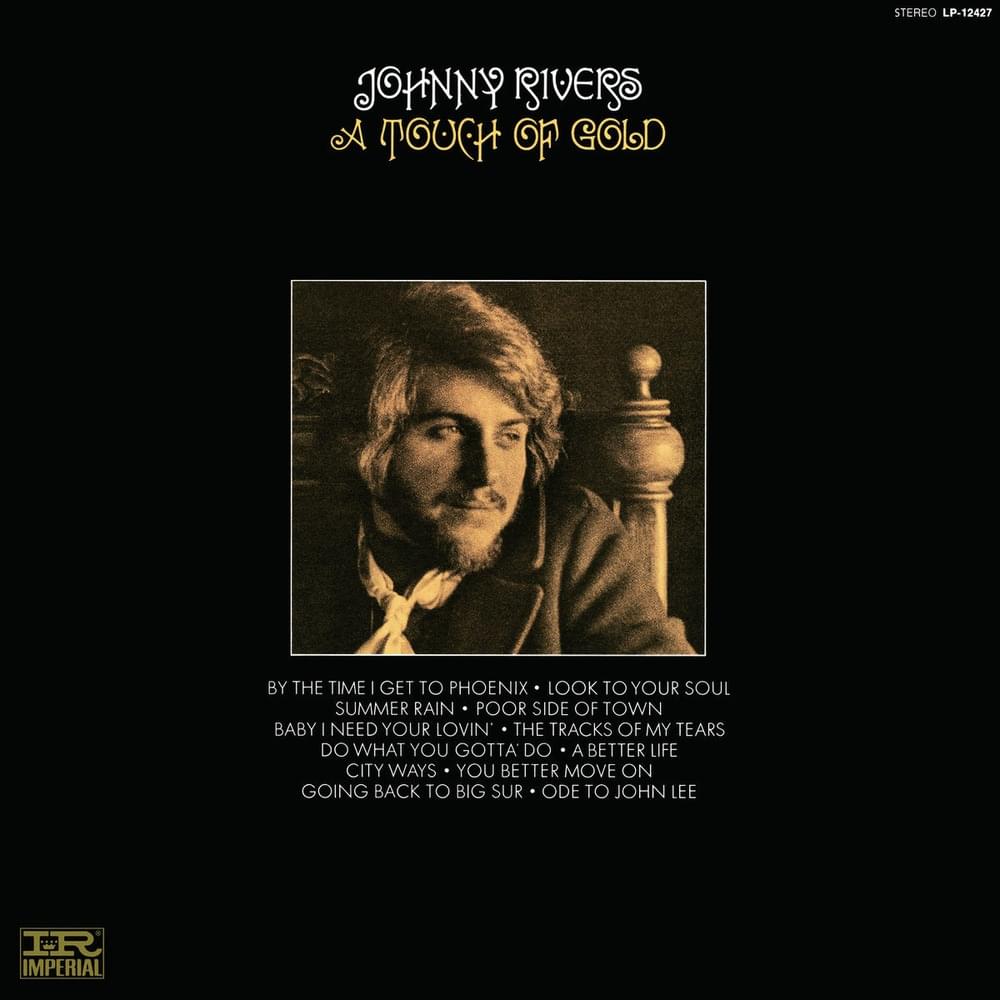
{"song_id": 15402909, "meaning": "Johnny Rivers' \"City Ways\" is less a celebration of urban life and more a stark warning, steeped in the anxiety of being swallowed whole by its machinations. The track acts as a lament for simpler times, a yearning for the authenticity presumed to exist outside the city's concrete grip. The opening lines, \"City ways are gonna get you baby/ City haze is gonna smog you in,\" immediately establish the city as an antagonist, an oppressive force that threatens to suffocate the protagonist. It's a feeling of being trapped, a psychological cage built of ambition and relentless competition. The 'hollow' becomes a metaphor for the emptiness that the pursuit of urban success can leave within a person. This isn't just geographical displacement; it's a crisis of the self. Rivers paints a picture of a ruthless environment where everyone is scrambling for scraps, and the line \"Someone's gonna step on you\" encapsulates the brutal, zero-sum game that city life can become.
The emotional core of the song lies in the contrast between the speaker's past and present. \"A country life is all I've ever known\" reveals a longing for a life rooted in nature and perhaps, a slower pace. The city, by implication, is a betrayal of these values, a constant source of stress and disillusionment. The repetition of \"it's hard\" emphasizes the psychological toll the city takes. It's a grind, an emotional drain that grinds the speaker down. There's a raw honesty in admitting this struggle, a vulnerability that resonates with anyone who has felt overwhelmed by the demands of urban existence.
Ultimately, \"City Ways\" is a plea for escape, a desire to return to a place of authenticity and emotional freedom. The lines \"Take me back to the real thing babe/ You know this place ain't right for me\" are a desperate cry for rescue. The desire to \"re-breathe\" and \"be free\" underscores the suffocating nature of the city. It's a primal urge to reconnect with something genuine, to escape the artificiality and pressure of urban life. Rivers' song taps into a deep-seated human need for belonging and purpose, a need that the city, in its relentless pursuit of progress, often fails to satisfy."}
 View Artist