Song Meaning
{"song_id": 15402773, "meaning": "Johnny Rivers's rendition of \"Can I Change My Mind?\" isn't just a plea for reconciliation; it's a masterclass in performative masculinity crumbling under the weight of genuine regret. The initial setup drips with the swagger of someone expecting a dramatic display of heartbreak. He's packing his bags, anticipating tears and grief, the very hallmarks of a classic romantic comedy scene where the woman begs him to stay. Instead, he's met with indifference, a devastating blow to his ego and carefully constructed narrative of control. The song's central question, \"Can I change my mind?\" becomes less about a genuine desire to return and more about a desperate attempt to regain the upper hand. Rivers's delivery, tinged with a bluesy desperation, underscores the fragility of this facade.
The lyrics paint a picture of a man accustomed to playing games, a manipulator who's never actually had to face the consequences of his actions. \"I played my games many times before / But peoples, let me tell y'all, oh, I never reached the door,\" he confesses, revealing a pattern of emotional blackmail where the threat of leaving was enough to get his way. This time, however, the game has changed. Her lack of reaction throws him into uncharted territory, forcing him to confront the possibility that he might not be as indispensable as he thought. The howling winds and the absence of his baby highlight his isolation and the stark reality of his situation.
Ultimately, \"Can I Change My Mind?\" explores the painful intersection of pride and vulnerability. It's a raw depiction of a man realizing that his manipulative tactics have backfired, leaving him stranded outside the door he never intended to walk through. The song's meaning resonates because it taps into the universal fear of rejection and the humbling experience of realizing that love isn't a game to be won, but a connection to be cherished. Johnny Rivers doesn't just sing the lyrics; he embodies the emotional turmoil of a man grappling with the consequences of his own actions, making this rendition a timeless exploration of love, loss, and the ever-elusive power dynamic between two people."}
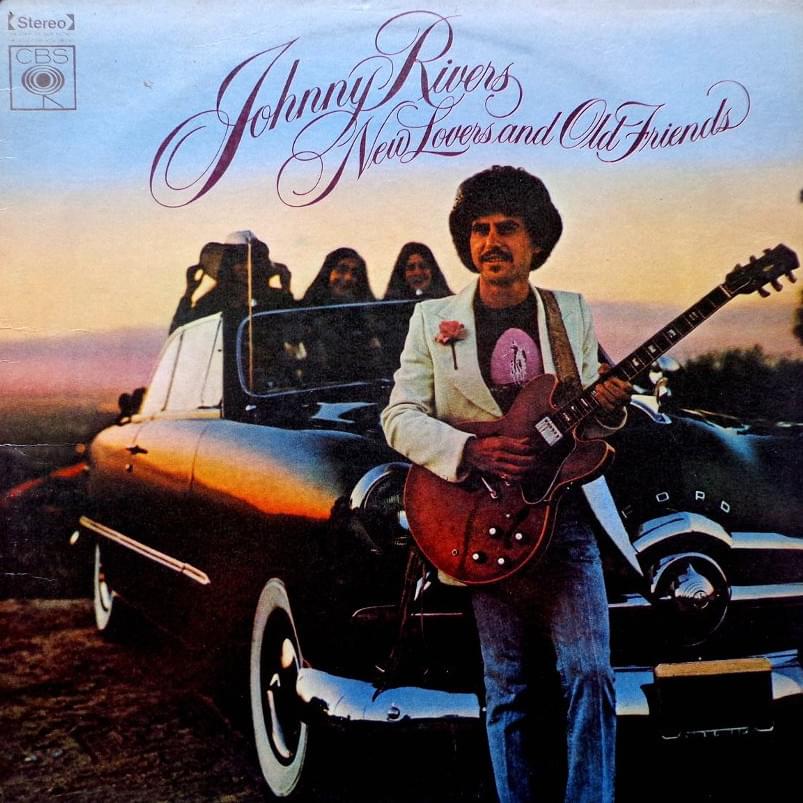
 View Artist