Song Meaning
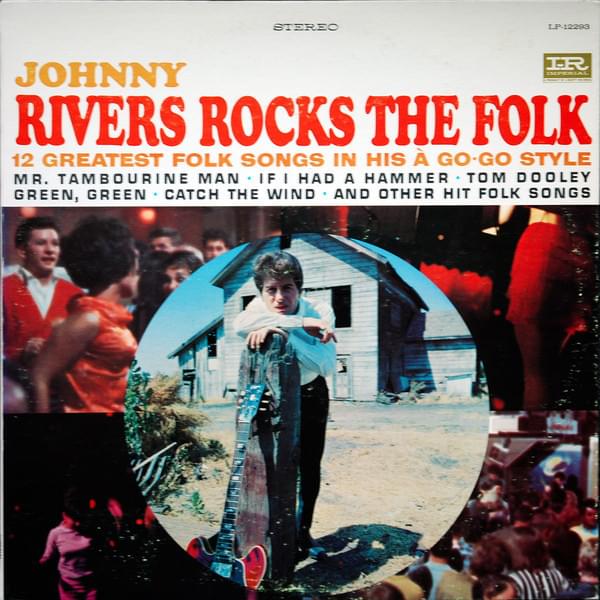
Johnny Rivers' rendition of "500 Miles" isn't just a folk lament; it's a stark portrait of alienation and economic desperation. The repetitive structure, almost hypnotic in its simplicity, amplifies the feeling of being trapped in a cycle of poverty and displacement. The train whistle, echoing across a hundred miles, serves as a constant reminder of missed opportunities and the ever-widening distance between the singer and any semblance of home. It’s not merely physical distance; it's the emotional chasm carved out by hardship. The whistle isn't just heard, it *taunts*.
The numerical progression in the lyrics – "Lord, I'm one, Lord, I'm two, Lord, I'm three, Lord, I'm four, Lord, I'm five hundred miles from my home" – isn't just a count; it's a litany of despair. Each number marks a further step into the abyss, a relentless march away from stability. The stark admission of being broke and shirtless ("Not a shirt on my back, not a penny to my name") strips away any romanticism often associated with the wandering troubadour. This isn't Kerouac; it's raw survival. The singer is acutely aware of his degraded state, explicitly stating he "can't go a-home this a-way." There's a deep shame embedded here, a sense of unworthiness preventing him from seeking solace.
Ultimately, "500 Miles" resonates because it taps into a primal fear of abandonment and economic ruin. The lyrics, stripped bare of ornamentation, lay bare the psychological toll of being adrift, both geographically and emotionally. Johnny Rivers’ performance underscores the quiet desperation inherent in the song, transforming it from a simple folk tune into a haunting meditation on the human condition. The meaning of the song lies not just in its depiction of poverty, but in its exploration of the psychological barriers that prevent one from seeking help or returning to a place of comfort. It asks, what does it mean to be so far gone that even home feels inaccessible?
 View Artist