Song Meaning
The narrator finds themselves in a moment of profound, almost absurd, personal realization, contrasting their own arrival with a partner's apparent detachment. The opening lines paint a stark picture: "Me here at last on the ground / You in mid-air." This sets up a dynamic of one person finally finding stability or clarity, while the other remains elusive or ungrounded. The immediate, almost desperate, plea to "Send in the clowns" suggests a need for distraction or a recognition of the inherent absurdity of the situation, as if the only appropriate response to this personal drama is a theatrical, farcical one.
The core tension arises from a profound misalignment and missed opportunity. The narrator believed they had finally figured things out, "Finally knowing the one that I wanted was yours," only to discover their entrance was met with an empty room. This is compounded by the shocking realization that their feelings have mirrored their partner's all along, but only now, as the partner has "drifted away," does this symmetry become clear. The narrator's self-recrimination, "My fault I fear / I thought that you'd want what I want," highlights the painful irony of understanding too late.
The lyrics masterfully employ the theatrical metaphor of clowns and farce to underscore the narrator's emotional state. The repeated question, "Where are the clowns?" and the urgent command, "Send in the clowns," are not just about seeking entertainment but about acknowledging the ridiculousness of their own predicament. The final, resigned "Don't bother, they're here" is a devastating punchline, revealing that the expected comic relief or the absurd characters are not external but are, in fact, the narrator's own internal state and the very situation they are in. The "clowns" are the self-awareness of their own folly and the tragicomic nature of their timing.
This piece hits hard because it captures that gut-wrenching moment when self-awareness arrives precisely when it's too late to change the outcome. The contrast between the narrator's hard-won clarity and the partner's absence, coupled with the self-deprecating theatrical imagery, creates a powerful sense of poignant, almost unbearable, irony. It's the feeling of finally understanding the play, only to realize the audience has left and the stage is empty, leaving you to face the absurdity alone.
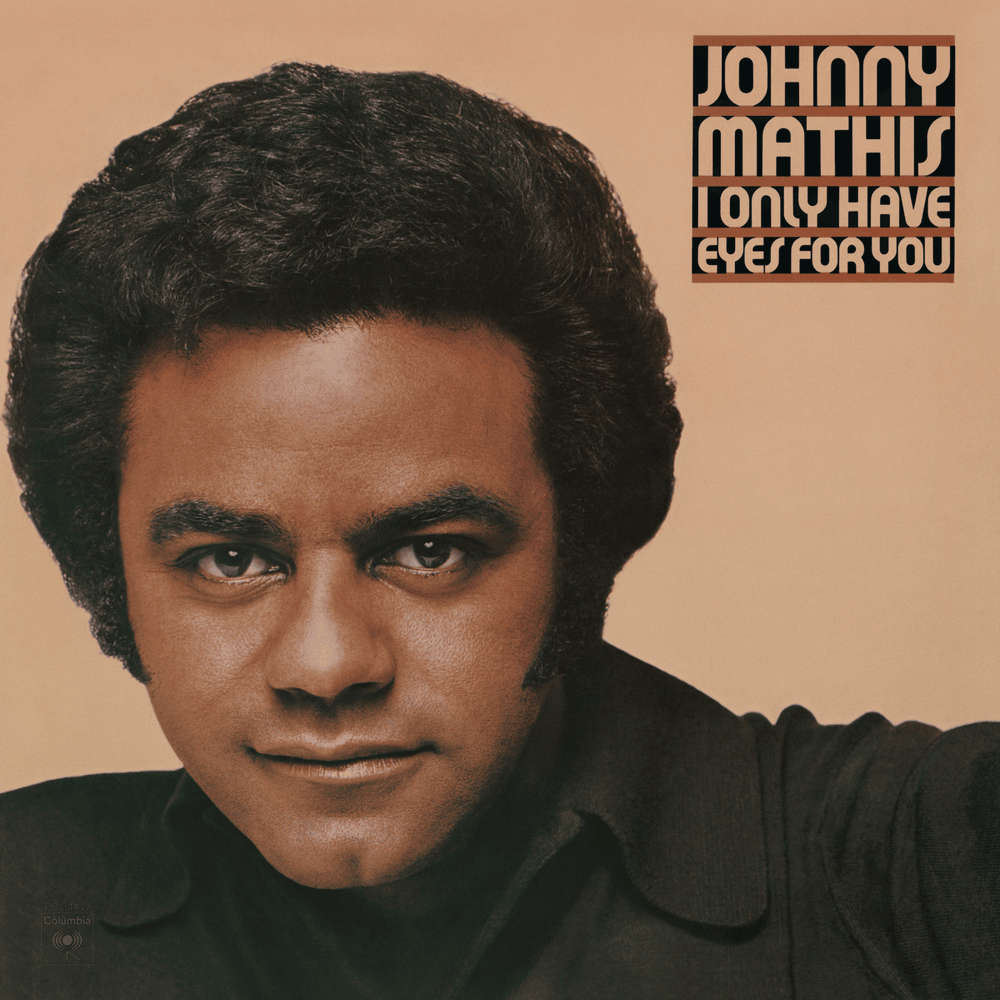
 View Artist