Song Meaning
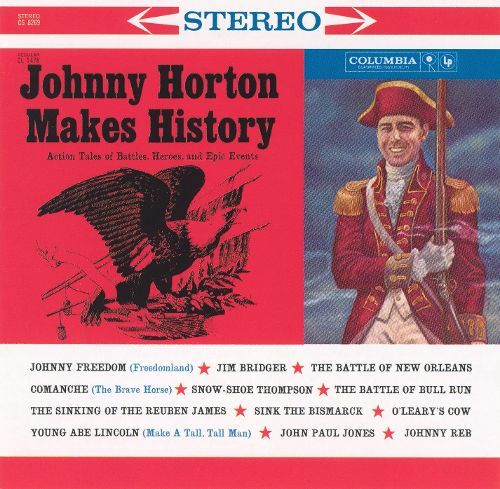
Johnny Horton's "Comanche (The Brave Horse)" isn't just a sentimental ballad; it's a stark elegy for defeat and a meditation on resilience in the face of overwhelming loss. The song anchors itself in the aftermath of Custer's Last Stand, immediately establishing a landscape of devastation and mourning. But Horton doesn't focus on the hubris or strategic failures that led to the massacre. Instead, he zooms in on Comanche, a horse who survived the carnage, transforming the animal into a potent symbol of endurance. The lyrics paint a picture of a creature 'wounded and weak,' lying at the feet of the fallen general, embodying the physical and emotional toll of war. The song's meaning resides not in glorifying battle, but in acknowledging the cost. Horton uses Comanche's survival as a lens to examine themes of courage, sacrifice, and the quiet dignity of those who have given everything. It quietly asks: what remains when everything is lost?
The repeated chorus, "Comanche you fought hard, Comanche you tried," serves as both a eulogy and a consoling mantra. It acknowledges the horse's effort and bravery, validating his struggle even in defeat. The lines, "You were a good soldier, so hold your head up high / For even the greatest sometimes must fall," offer a poignant reminder that even the most valiant efforts can end in failure. This acceptance of fallibility is key to understanding the song's deeper message. It's not about rewriting history or sugarcoating the brutality of war. It's about finding a measure of grace and respect in the face of inevitable defeat. The image of Comanche, 'battle scarred and torn,' becomes a powerful metaphor for the human condition, suggesting that even in our brokenness, there is strength and value. Horton's lyrics analysis reveals a profound understanding of trauma and the long shadow it casts.
Ultimately, the song meaning of "Comanche (The Brave Horse)" transcends its historical context. It speaks to the universal experience of loss, the importance of perseverance, and the quiet heroism of those who endure. While rooted in a specific event, the song's emotional resonance lies in its ability to connect with listeners on a deeply personal level, reminding us that even in the darkest of times, there is always the potential for resilience and a measure of grace. Horton's choice to center the narrative on an animal underscores the shared vulnerability of all living beings in the face of conflict, offering a unique perspective on the human cost of war.
 View Artist