Song Meaning
Johnny Hallyday's "Cruising Altitude" (as interpreted through its French lyrics) is less a song and more of a brutal, Old Testament decree. The relentless repetition of "Tue-le!" ("Kill him!") acts as a furious, almost ritualistic condemnation, targeting a figure mired in sin and hypocrisy. The song meaning hinges on the idea of a person teetering on the edge of damnation, constantly engaging in behaviors deemed morally reprehensible. The lyrics paint a portrait of greed ("recompte ses sous" - recounts his money"), lust ("rêvant de seins doux" - dreaming of soft breasts"), and arrogance ("se prend pour un Dieu" - thinks he is God"), all contributing to this damning image. It's a character study in moral decay, each verse piling on further accusations and justifications for the ultimate act of judgment. The phrase "Quand il a un pied en enfer" ("When he has one foot in hell") is not just a metaphor but a state of being. He's not fully in hell, but he's certainly not striving for redemption. The lyrics suggest he's content to exist in this liminal space, indulging his vices while remaining on the periphery of salvation.
However, the song introduces a crucial caveat: "Mais ne le tue pas quand il prie / Avec Dieu on ne sait jamais / Ne l'envoie pas au paradis" ("But do not kill him when he prays / With God, one never knows / Do not send him to paradise"). This single stanza throws the entire premise into a fascinating moral quandary. Even in his depravity, the possibility of divine intervention remains. The speaker acknowledges the unpredictable nature of faith, suggesting that even this deeply flawed individual might find redemption through prayer. It's a chilling reminder that judgment is not ours to make definitively.
Ultimately, "Cruising Altitude" isn't just about condemning a sinner; it's about exploring the complexities of judgment, sin, and the enduring power of faith, even in the darkest of souls. The song leaves the listener grappling with uncomfortable questions about forgiveness, justice, and the limits of human authority. The raw, almost primal scream of "Tue-le!" is tempered by the unsettling possibility of divine grace, creating a song that is both viscerally disturbing and profoundly thought-provoking.
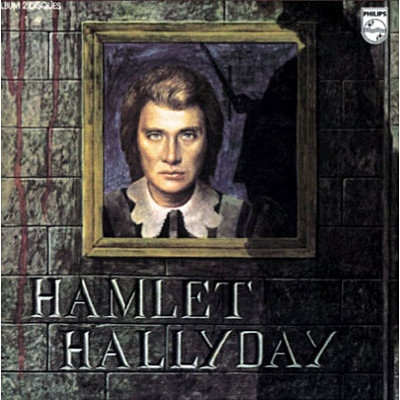
 View Artist