Song Meaning
Johnny Hallyday's "Pour l'amour" is a brutal, unflinching indictment of aging and the perceived loss of desirability. The song's meaning hinges on the jarring contrast between the speaker's harsh assessment and the subject's clinging to the idea of love and passion. The lyrics are a cruel, almost theatrical rejection, painting a picture of physical decay and emotional desperation. The repeated phrase, "Pour l'amour, vous n'avez plus l'âge" (For love, you are no longer of age), acts as a relentless hammer blow, dismissing the subject's yearning for connection as both pathetic and delusional. The underlying psychological tension stems from the speaker's apparent disgust, bordering on violence, toward the aging process itself.
The song's power lies in its stark imagery. The speaker describes the subject's body as a "swamp," smelling of "mud and mold," and mocks the sagging flesh. These visceral descriptions are not merely about physical appearance; they represent a deeper fear of mortality and the loss of vitality. The lines "Votre sang est devenu sage" (Your blood has become wise) and "Vous ne savez plus faire naufrage" (You no longer know how to shipwreck) suggest a loss of recklessness and passion, replaced by a dull, resigned acceptance of aging. The speaker seems to resent this perceived surrender, demanding a level of intensity that he believes is no longer possible.
The chorus, with its chilling line "Laissez-moi tordre votre cou" (Let me wring your neck), is particularly disturbing. It's not necessarily a literal threat, but rather a metaphorical expression of the speaker's desire to silence the subject's pleas for love and affection. The comparison to crocodiles crying further emphasizes the speaker's cynicism, suggesting that the subject's tears are insincere and manipulative. The lyrics analysis reveals that "Pour l'amour" is a dark and disturbing exploration of aging, desire, and the often-brutal ways in which society devalues those who are perceived as past their prime. It is a song that confronts the uncomfortable truths about beauty, aging, and the fear of being forgotten. Ultimately, the song's impact comes from its willingness to express these uncomfortable feelings with such raw and unflinching honesty.
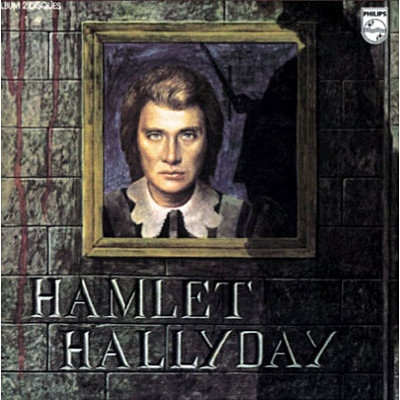
 View Artist