Song Meaning
Johnny Hallyday's "Daughter of the Deep (Remix)" isn't a sea shanty; it's a plunge into the darkest, most decadent corners of the human psyche, filtered through a lens of royal excess and moral decay. The lyrics paint a vivid, grotesque picture of an orgy within palace walls, where red lanterns cast shadows on the debauchery unfolding. It's a scene where ritualistic pleasure-seeking devolves into something base and animalistic. The repeated lines, "Du beau, du bon, du grand roi / Voyez mon beau père, le crapaud / Du beau, du bon, du grand roi / Grossir et devenir pourceau," (Of the beautiful, the good, the great king / See my father-in-law, the toad / Of the beautiful, the good, the great king / Grow and become a pig) serve as a mocking refrain, highlighting the corruption and bestiality at the heart of power. The king, initially presented as grand, is revealed to be a "toad" and then a "pig," symbolizing a descent into gluttony and depravity.
The song's power lies in its unflinching depiction of hedonism gone awry. The imagery is visceral: greasy fingers, bodies entangled, and the ironic impotence of the revelers despite their excess. It's a commentary on the hollowness of pleasure when divorced from genuine connection or meaning. Hallyday uses the setting of a royal orgy not just for shock value, but to critique the abuse of power and the moral compromises that often accompany it. The transformation of the king from a figure of authority to a repulsive animal underscores the idea that unchecked power leads to corruption and ultimately, to self-destruction.
The "Daughter of the Deep (Remix)" lyrics further explore themes of disillusionment and the grotesque reality behind facades of grandeur. The line "Ces apôtres de la partouze / Si pleins, si saouls, qu´aucun ne bande" (These apostles of the orgy / So full, so drunk, that none are hard) is particularly cutting, suggesting that even in the midst of supposed pleasure, there is a profound emptiness and inability to connect. The song's raw and unflinching portrayal of human weakness and the corrupting influence of power makes it a disturbing, yet compelling, exploration of the darker aspects of human nature. It’s less about literal events, and more about the psychological landscape of moral bankruptcy.
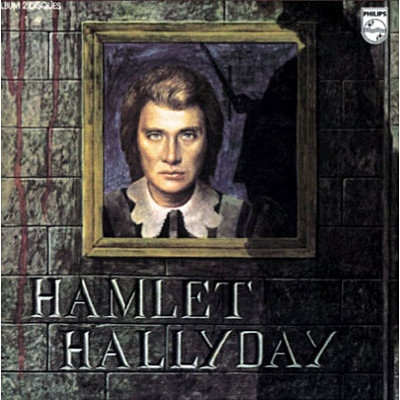
 View Artist