Song Meaning
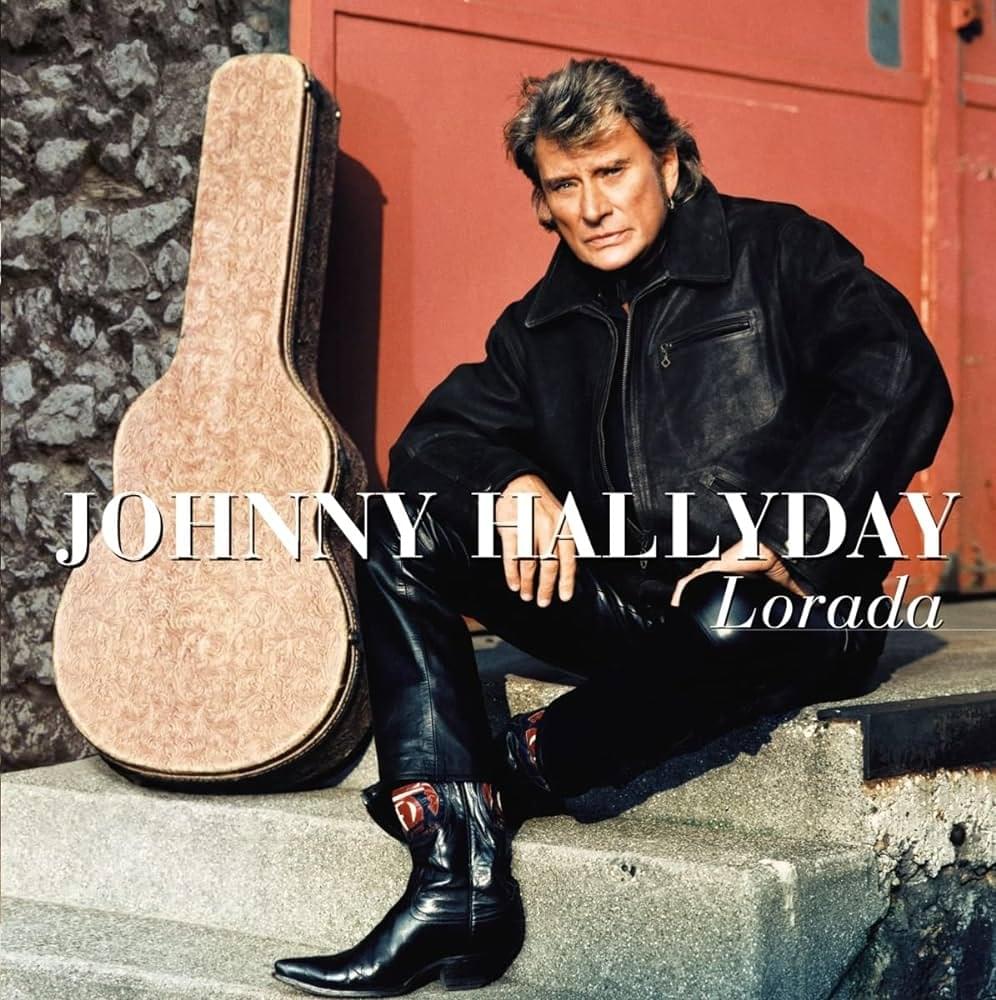
Johnny Hallyday's "Lorada" unfolds as a raw, existential plea disguised as a love song. It's a snapshot of a man caught between the yearning for untamed freedom and the magnetic pull of a woman, Lady Lucille. The opening lines, "J'avais un rêve à faire, Ami, Je voulais rester libre," establish this core tension immediately. The dream of freedom, addressed to a confidante, is quickly complicated by the arrival of Lucille, suggesting love as both a captivating force and a potential constraint. Hallyday lays bare the internal conflict, that universal struggle between independence and intimacy, in a way that feels both intensely personal and broadly relatable. The listener gets a glimpse into the singer's fear of losing himself in another.
Lucille, described as "Tout feu, toute femme," is the embodiment of passionate femininity, a force that threatens to consume the singer's carefully guarded autonomy. The rhetorical question, "Est-ce que tu me veux encore?" hints at a fragile ego, a vulnerability lurking beneath the rock star persona. The mask, inevitably, will fall, and with it the carefully constructed image of invincibility. This vulnerability is magnified by the plea, "Ne m'oublie pas, et aime-moi," a desperate attempt to secure affection even when stripped bare. It's a recognition of the inherent risk in exposing one's true self, the fear of rejection that haunts even the most seemingly confident individuals.
The enigmatic destination, "Lorada," becomes the symbolic space where this transformation, this quest for connection, will unfold. The line, "Je t'emmène chercher les anges à Lorada," elevates the song beyond a simple romance. Lorada is not just a place; it's a journey into the self, a search for redemption or perhaps a fragile, fleeting moment of grace. The angels represent an idealized version of love, a spiritual connection that transcends the physical. Hallyday isn't just singing about desire; he's singing about the soul's longing for something beyond the tangible, a quest that may ultimately define him.
 View Artist