Song Meaning
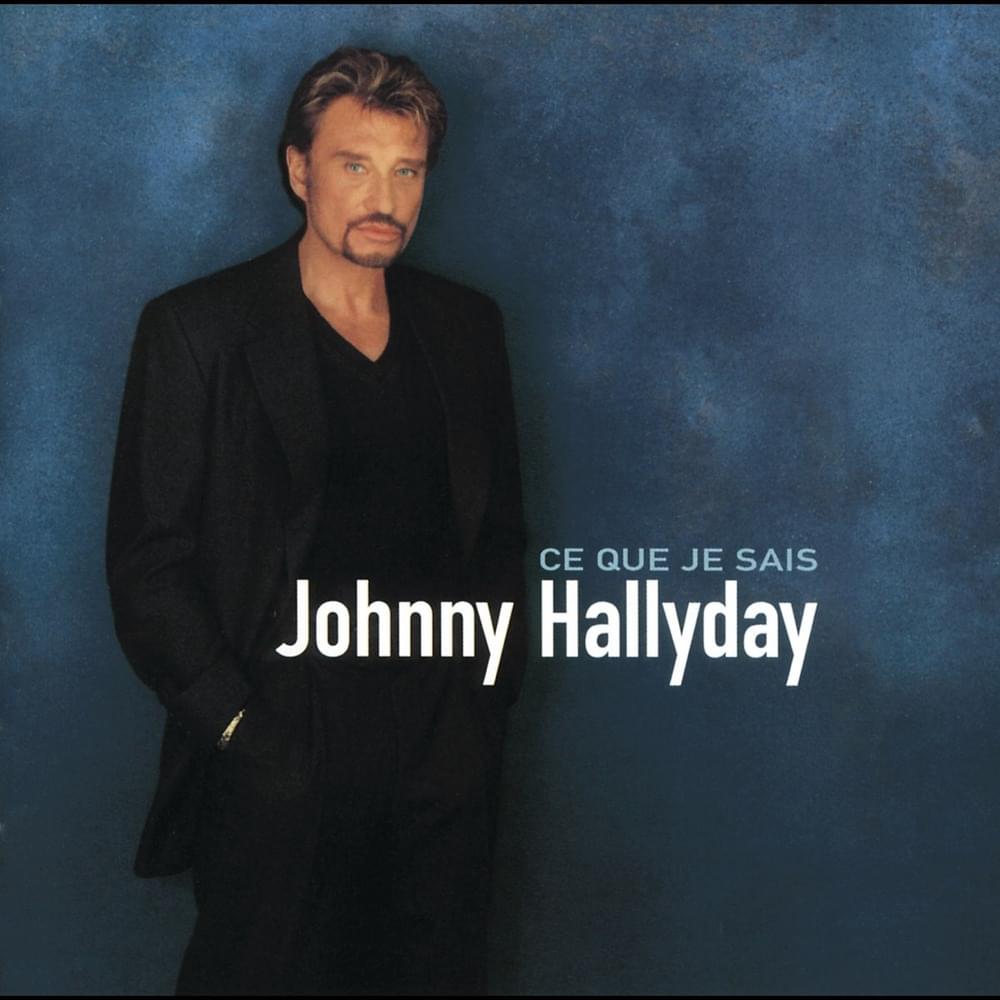
Johnny Hallyday's "Le temps passer" isn't just a song; it’s a confession whispered from the twilight of a life lived at full throttle. The central theme, repeated like a mantra, is the speaker’s failure to perceive the passage of time. But this isn't a simple lament about aging. It’s an acknowledgement of a deeper, perhaps willful, blindness. The lyrics hint at a life consumed by immediate gratification ("A force de n'en vouloir que le plaisir"), a pursuit of fleeting joys that left little room for reflection or deeper connection. The graying hair, the fading love—these weren't noticed because the speaker was too busy chasing the next thrill. It's the classic rock-and-roll paradox: living so intensely in the moment that the moments themselves blur into an indistinguishable haze. The question then becomes: was it worth it? Did the singer's relentless pursuit of pleasure lead to a fulfilling life, or did it result in a profound sense of emptiness? The repetition of "J'ai pas vu passer le temps" (I didn't see the time pass) echoes this internal debate.
Beneath the surface bravado, cracks begin to appear. The weariness seeps in, particularly in the lines "Mais j'ai, j'ai le coeur fatigué / D'un marin sans île pour se raccrocher." This is the heart of the song's meaning – the weariness of a sailor with no island to hold onto. The metaphor is potent, evoking a sense of aimless wandering and the exhaustion that comes from a life devoid of true anchor points. The "écorché" (skinned) heart suggests vulnerability and pain hidden behind a facade of carefree living. The dreams fading into the horizon point to a yearning for something more, a recognition that the relentless pursuit of pleasure ultimately left him unfulfilled. The song subtly suggests that a life lived solely in the pursuit of immediate gratification can lead to a profound sense of isolation and regret.
Ultimately, "Le temps passer" is a poignant reflection on the choices we make and the consequences they carry. The speaker's inability to see time passing isn't just a quirk of perception; it's a symptom of a life lived without introspection, without a conscious effort to build lasting connections or find deeper meaning. The final lines, "Ces quelques lignes j'aurais dû te dire avant" (These few lines I should have told you before), add a layer of regret, hinting at unspoken words and missed opportunities. The song's meaning resides not just in the confession of a life lived in the fast lane, but in the quiet acknowledgement of what was lost along the way. It's a stark reminder that time, whether we notice it or not, marches relentlessly on, and the moments we fail to seize become the regrets that haunt us in the end.
 View Artist