Song Meaning
Johnny Hallyday's "Le Poids de mes maux" isn't just a song; it's a raw, unflinching self-indictment set to music. The lyrics delve into the brutal landscape of inner conflict, portraying the self as both victim and aggressor. Hallyday lays bare the idea that the most damaging wounds are often self-inflicted. The recurring line, "Je pèse le poids de mes maux" (I weigh the weight of my woes), acts as a heavy anchor, grounding the listener in the singer's profound sense of self-torment. This isn't some abstract philosophical musing; it's a visceral confession. The acknowledgement that "I am the wound and the knife" speaks to a deeply internalized cycle of pain, a recognition that the speaker is both the source and the receiver of suffering. The line "enfant de roi et de salaud" (child of kings and bastards) introduces a layer of inherited trauma or a conflicted legacy, suggesting that this self-destructive tendency may be rooted in something larger than the individual.
What makes "Le Poids de mes maux" so compelling is its stark honesty. Hallyday doesn't shy away from the darker aspects of the human psyche. The lyrics cut to the bone, exposing the universal tendency to be one's own worst enemy. The acknowledgement that external blows pale in comparison to the ones we inflict upon ourselves is a sobering realization. The song's power lies in its relatability; it taps into the shared human experience of self-doubt, self-criticism, and the internal battles we all wage. The phrase "l'homme est un loup pour lui" (man is a wolf to himself) crystalizes this idea, underscoring the inherent potential for self-destruction that exists within each of us.
Ultimately, "Le Poids de mes maux" explores the complex interplay between pain, responsibility, and self-awareness. It's a song about acknowledging the weight of one's own actions and recognizing the role one plays in perpetuating suffering. The concluding lines, "On pèse le poids de nos maux / En étant le cri et le couteau" (We weigh the weight of our woes / By being the cry and the knife), broadens the scope, suggesting that this internal struggle is not unique to the individual but a shared condition of humanity. The final image of being both the "cry" and the "knife" is particularly evocative, capturing the duality of pain and the potential for both expression and further wounding. In essence, the song meaning suggests that true healing begins with acknowledging the heavy burden of self-inflicted wounds and recognizing our capacity to be both the cause and the potential cure.
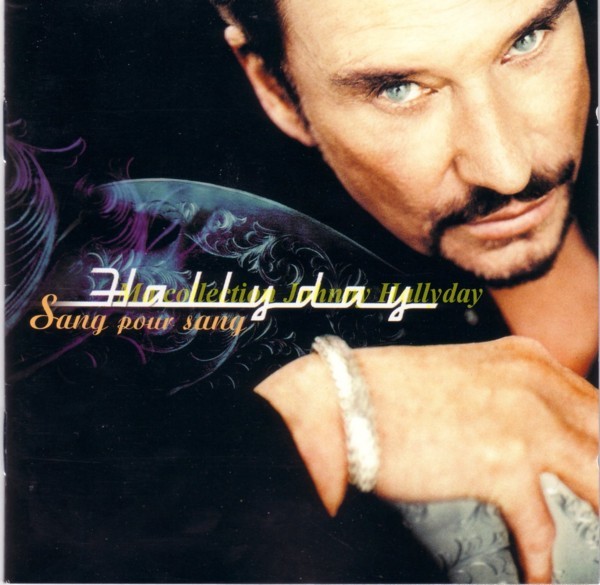
 View Artist