Song Meaning
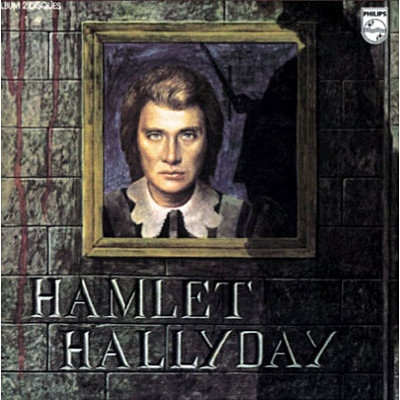
Johnny Hallyday's "Globotech," even with its sparse lyrics, conjures a primal scream from the abyss of the past. The repetition of "une ombre" (a shadow) immediately establishes a landscape of the subconscious, a realm where half-formed memories and ancestral trauma take shape. The shadow isn't just any specter; it's repeatedly described as dark and emerging from darkness, a double dose of negativity suggesting a deeply rooted malevolence. The plea, "Oh, venge-moi!" (Oh, avenge me!), transforms this shadow into an active agent, a wronged spirit demanding retribution. The song's power lies in its ambiguity: who wronged this shadow, and what exactly needs avenging? Is it a personal vendetta, or a call for justice against some systemic evil hinted at by the song’s title? Perhaps ‘Globotech’ refers to a faceless corporation, an impersonal force that has caused this deep suffering.
The shadow's manifestation as "l'ombre d'un roi du royaume des ombres" (the shadow of a king of the kingdom of shadows) elevates the narrative beyond the personal. This isn't just a ghost; it's a figure of authority, a ruler dethroned or betrayed, his kingdom now reduced to shadows. The cry for vengeance then takes on a political dimension, a rebellion against an usurper or oppressor. This interpretation aligns with Hallyday's persona as a rebellious figure, a rock and roll iconoclast who challenged the status quo. The shadow’s resemblance to the singer’s father adds another layer of complexity, hinting at inherited burdens, unresolved paternal conflicts, or a son's duty to right his father's wrongs.
Ultimately, "Globotech" thrives on its stark imagery and unanswered questions. The lyrics analysis reveals a potent exploration of justice, power, and the cyclical nature of vengeance. The 'shadow' isn't just a supernatural entity; it's a metaphor for the unresolved issues that haunt individuals and societies alike. Hallyday, through this minimalist yet evocative language, taps into a universal desire for justice and the enduring power of the past to shape the present.
 View Artist