Song Meaning
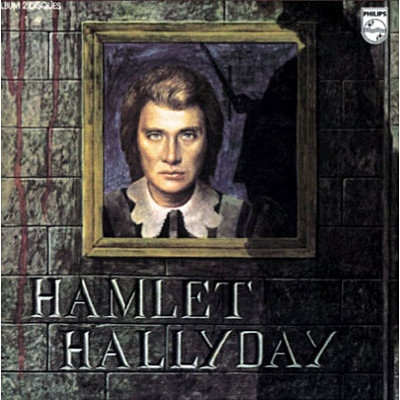
Johnny Hallyday's "La mort d'Ophélie" isn't just a song; it's a cold plunge into the Romantic obsession with death, specifically the iconic drowning of Ophelia from Shakespeare's *Hamlet*. But Hallyday, singing in French, strips away the theatricality, offering a stark, almost clinical depiction of her demise. The weeping willow, a traditional symbol of mourning, sets the scene. Ophelia, weaving garlands, becomes a sacrifice to the stream, presenting flowers and branches as offerings. This isn't a grand tragedy, but a quiet surrender. The willow, reaching for her, foreshadows the watery embrace that awaits.
The lyrics detail the fatal moment with chilling precision. A branch breaks, the stream shivers, and Ophelia is swept away. The water swells her white cloak, clinging to her hips, a morbidly sensual image. Her cry, tellingly, dies like a joy, suggesting a twisted release in her final moments. The "boue immonde" (filthy mud) where she drowns taking its revenge is a particularly disturbing line, hinting at the ugliness and indignity of death, a stark contrast to the romanticized vision of Ophelia floating serenely. The language pushes beyond mere sadness, suggesting that her demise is an outcome of madness and helplessness.
The repeated image of the weeping willow at the beginning and end emphasizes the cyclical nature of grief and the enduring power of nature over human life. "La mort d'Ophélie" is a meditation on beauty and decay, innocence and corruption. Hallyday doesn't offer comfort or resolution. He simply presents a stark, haunting tableau of a life extinguished, leaving the listener to grapple with the unsettling reality of Ophelia's watery grave. The song's meaning lies not in its narrative, but in its chilling atmosphere and the unsettling questions it raises about life, death, and the romanticization of tragedy.
 View Artist