Song Meaning
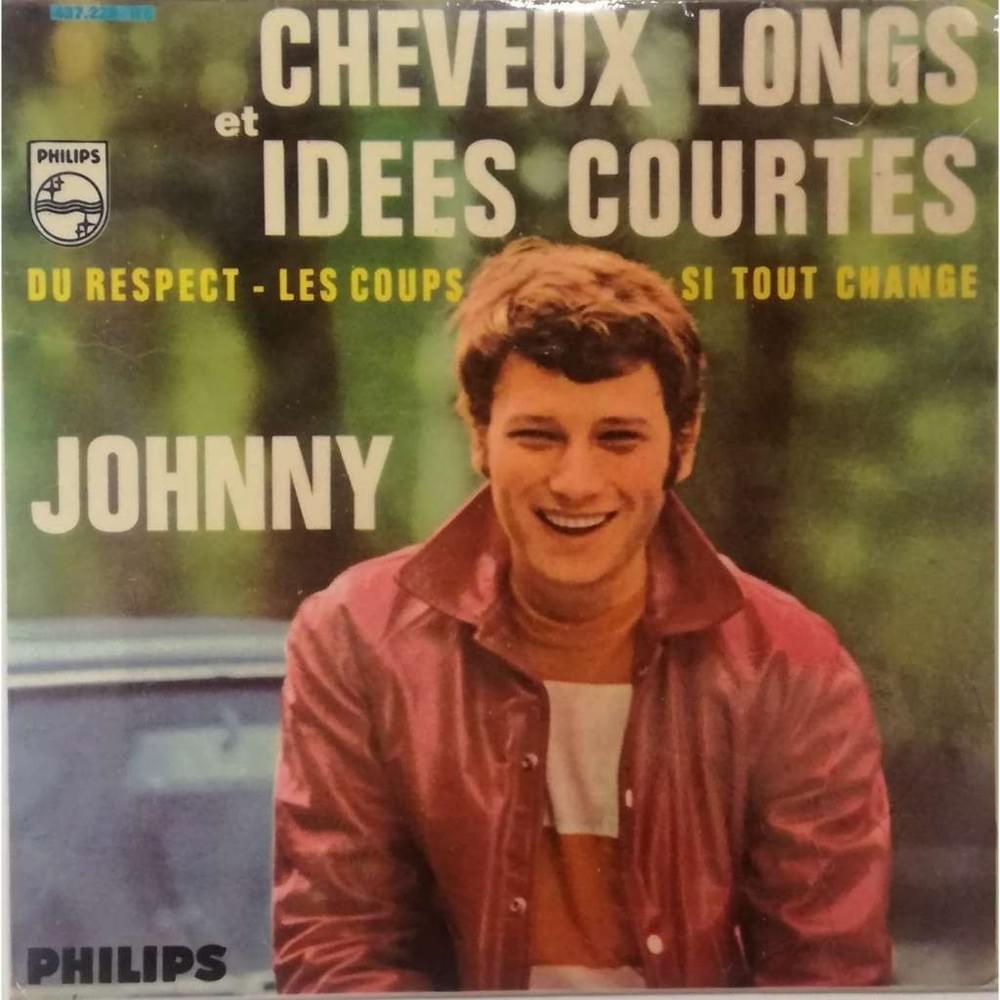
Johnny Hallyday's "Du respect" isn't a polite request; it's a raw demand carved from the bedrock of a relationship teetering on the edge. Forget romantic overtures – this is about establishing boundaries, a primal assertion of self-worth in the face of perceived emotional neglect. The speaker isn't necessarily asking for love or admiration, but something far more fundamental: respect. It's a blunt, almost desperate plea for recognition, a counterbalance to the perceived imbalance of power within the dynamic. The lyrics hint at a transactional element – "De l'argent, C'est ce que tu veux / Devant tes folies, Je ferme les yeux" – suggesting the speaker enables certain behaviors, perhaps out of love or a sense of obligation, but that this generosity shouldn't negate their basic human right to be treated with dignity. The refrain, "Je veux, je veux, du respect," isn't just a lyric; it's a mantra, a desperate attempt to reclaim agency.
The repetition of "Du respect" throughout the song amplifies the desperation. It's not a nuanced request, but a primal scream for acknowledgment. The stark simplicity of the language – "Bien souvent, Non, je ne sais pas, Ce que tu fais, Ni où tu vas" – underscores the distance between the speaker and their partner. There's a lack of understanding, a disconnect that fuels the need for this fundamental respect. The speaker admits to turning a blind eye to certain behaviors, implying a level of tolerance that has perhaps been exploited. This tolerance, however, doesn't equate to a lack of self-worth; on the contrary, it seems to be the very thing fueling the demand for respect. He's not asking for favors; he's stating a right.
The psychological undercurrent of "Du respect" lies in its exploration of self-esteem and relational dynamics. The speaker's insistence on respect can be interpreted as a defense mechanism against feelings of vulnerability and insignificance. By demanding respect, they are attempting to reassert control and establish a sense of equilibrium in a relationship where they feel devalued. The song taps into a universal human need to be seen, heard, and valued, not for what one provides, but for who one is. It's a powerful reminder that respect is not a privilege to be earned, but a fundamental right to be demanded, especially within the intimate confines of a relationship. The song meaning centers on this struggle for power and the primal need for human dignity.
 View Artist