Song Meaning
{"song_id": 11017913, "meaning": "Johnny Hallyday's \"Ces deux-là\" hits with the force of a primal scream, dissecting a relationship so toxic it sterilizes the very ground it touches. The repetition of \"Ces deux-là,\" almost chanted, immediately establishes a sense of obsessive fixation, a looping condemnation. These two, whoever they may be, aren't just experiencing a rough patch; they are actively sowing terror, a malevolent force of nature. The simplicity of the French phrasing amplifies the starkness of the message: this isn't a nuanced portrait of love gone sour, but a brutal assessment of its destructive power. Hallyday, a master of emotional directness, wastes no time in flowery metaphors.
The bleakness deepens with the recurring line, \"Mais la terre n'en veut pas / Partout où ils s'aiment / Ca ne repousse pas.\" The earth rejects them. Where they love—or, rather, where they enact whatever twisted version of love they subscribe to—nothing grows. This isn't merely metaphorical; it's an ecological disaster on a personal scale. The relationship doesn't just wither; it poisons the well, preventing future growth, future connection. It's a scorched-earth policy enacted within the confines of two hearts, leaving a wasteland in its wake. The \"mauvaise graine\" (bad seed) they sow ensures only further desolation.
The final line, \"Ces deux-là s'aiment,\" is perhaps the most chilling. Stripped of all context, all justification, all romantic pretense, it stands as a damning indictment. This isn't a love story; it's a pathology. The song meaning rests not on the idea of love's redemptive power, but on its capacity for annihilation. They love each other, yes, but that love is a weapon, wielded with devastating consequences. The implications are profound: sometimes, love isn't enough. Sometimes, love is the problem."}
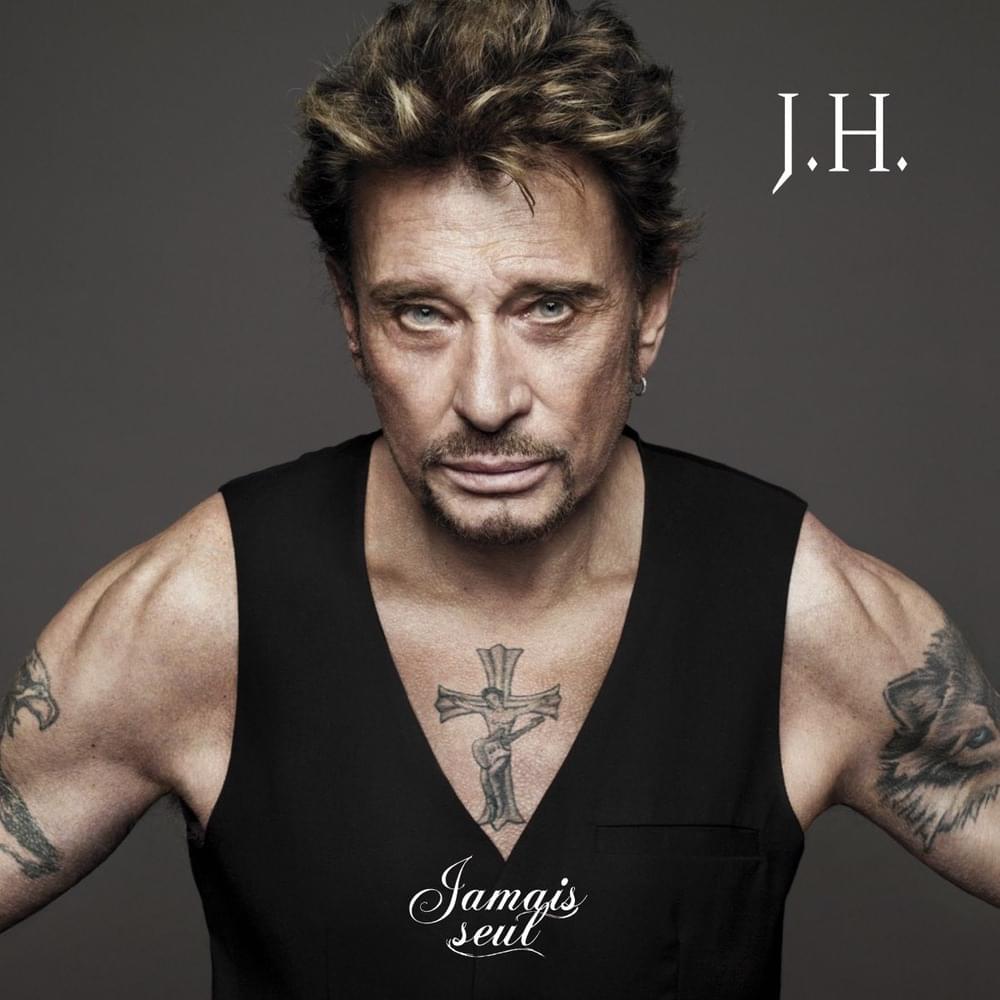
 View Artist