Song Meaning
The lyrics paint a stark picture of a relationship's decay, beginning with a retrospective on its initial spark and current anniversary. The narrator directly addresses Susan, questioning past decisions and the nature of their connection, suggesting a disillusionment that contrasts sharply with the idea of "love at first sight" and "instant connection." This opening sets a tone of regret and confusion, amplified by the jarring refrain.
The central tension lies in the narrator's present reality versus the memory of the relationship. The line "I'm a stripper in Atlanta" is a radical departure, creating a chasm between the domesticity implied by an anniversary and a life of perceived desperation or performance. The narrator grapples with the reasons for the separation, noting the absence of a clear cause ("no reason I could ascertain") and the cessation of communication, leaving them in a state of uncertainty about whether to wait for a return that may never come.
The craft here is in the juxtaposition and the fading imagery. The contrast between the anniversary and the stripper identity is jarring, forcing the listener to confront a harsh, unexpected truth about the narrator's life. The fading yearbook ink and the once-river-wide now-dirt imagery powerfully convey the erosion of commitment and the loss of what the relationship once was. The line "The ones we love / Are the ones we hurt" serves as a blunt, almost fatalistic observation on the nature of intimacy and conflict.
This writing is effective because it refuses easy answers, instead presenting a raw, fragmented emotional landscape. The specific, almost mundane details like the anniversary and the yearbook ink ground the abstract pain of loss. The abrupt, almost surreal refrain forces a re-evaluation of everything that came before, leaving the listener with a lingering sense of unresolved sorrow and the unsettling reality of a life dramatically altered.
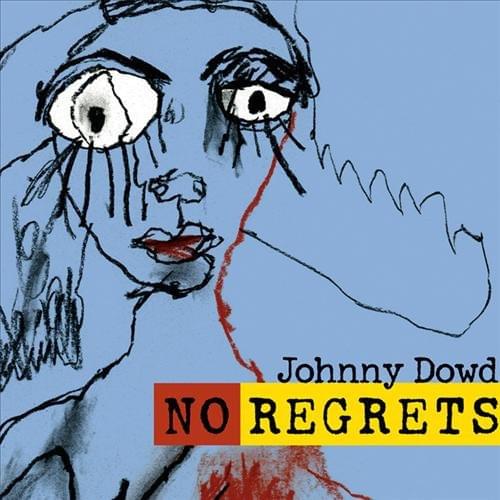
 View Artist