Song Meaning
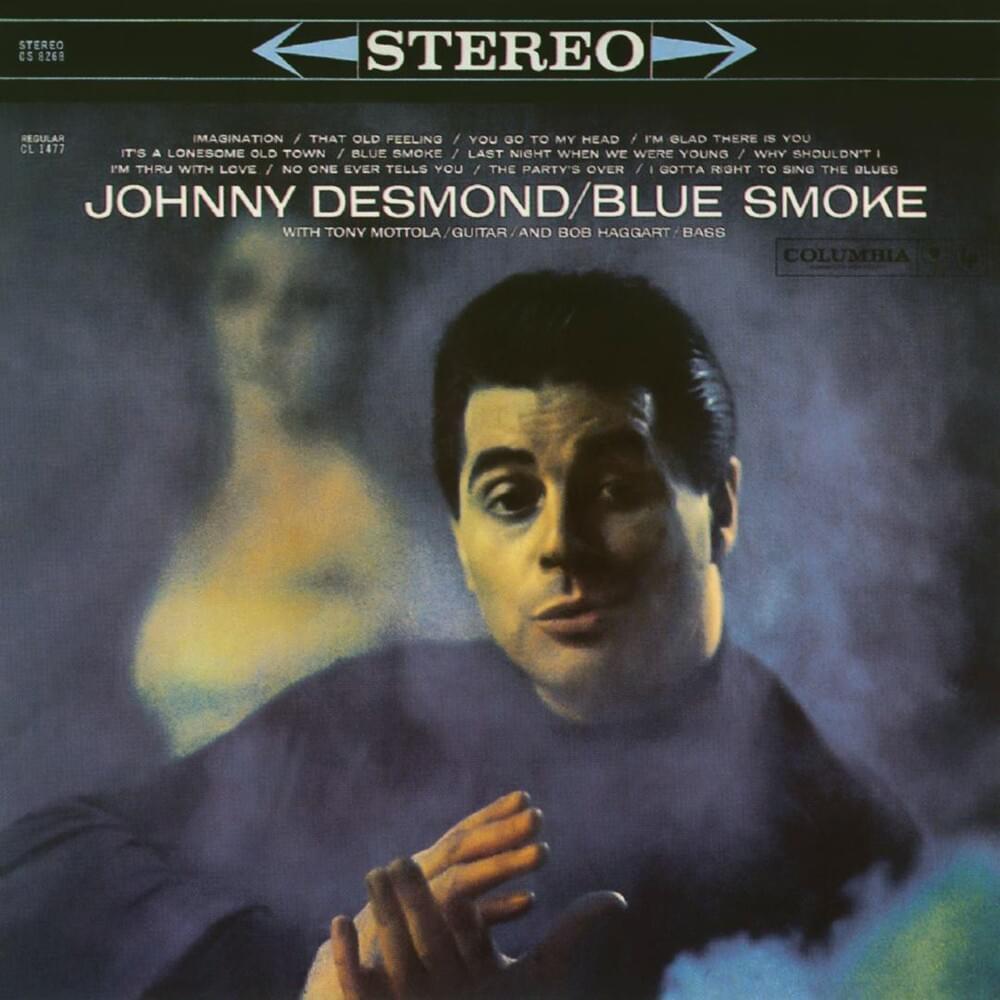
The lyrics paint a picture of solitary reflection, where the narrator is enveloped in the haze of cigarettes. This physical environment of "blue smoke" becomes a potent metaphor for the narrator's internal state. The smoke isn't just smoke; it's described as "haunting memories," immediately linking the sensory experience to a deeper emotional landscape. The act of smoking and watching smoke rings dance becomes a passive, almost meditative, ritual in a "lonely room."
The central tension arises from the narrator's perception and its subsequent disillusionment. The "blue smoke" conjures an apparition of a loved one, a moment of intense longing where the narrator reaches out. This fleeting vision, however, is revealed to be a "trick," a painful illusion born from the smoke and the narrator's own loneliness. The contrast between the vivid, tangible feeling of seeing someone and the stark reality of their absence is the core emotional punch.
The most striking craft element is the personification and deceptive nature of the "blue smoke." It's not just a passive visual; it actively "haunts" and "plays a trick." The smoke rings "dancing" add a layer of ephemeral beauty that masks the underlying sadness. This visual trickery mirrors the psychological trick the smoke plays on the narrator's mind, blurring the lines between memory, desire, and reality.
This piece resonates because it captures that specific ache of loneliness where sensory details can become potent triggers for longing. The writing effectively uses the tangible image of smoke to represent the intangible nature of memory and desire. The sudden, sad clarity of realizing the vision was an illusion, directly caused by the "blue smoke," makes the emotional impact sharp and relatable for anyone who has been lost in thought and wished for something or someone not there.
 View Artist