Song Meaning
This track lays out a stark ultimatum, framing the narrator's presence as a valuable commodity. The repeated chorus, "If you should lose me, Oh yeah, you'll lose a good thing," hammers home the central theme: the speaker is offering a final chance, but the cost of rejection is significant. It’s a direct, almost transactional declaration of self-worth, positioning the relationship's continuation on the other person's ability to recognize and maintain its value.
The core tension arises from the narrator's dual stance of unwavering love and firm boundaries. "You know I love you, I'll do everything for you," is immediately followed by, "Just don't mistreat me, And I'll be good to you." This isn't a plea for forgiveness, but a conditional offer. The lyrics explicitly state, "This is my last chance," and "If you don't do right, I'm gonna walk out that door," signaling a decisive shift from passive endurance to active self-preservation.
The most striking aspect of the writing is its bluntness and repetition, which amplifies the sense of finality. The phrase "lose a good thing" is not just a refrain; it’s a constant reminder of what’s at stake. The simple, almost childlike phrasing belies the gravity of the situation, making the threat of departure feel both inevitable and deeply personal. The narrator isn't resorting to complex metaphors; they're stating a plain truth about their own value.
Ultimately, the effectiveness of these lyrics lies in their unvarnished honesty. The narrator isn't trying to manipulate or beg; they are clearly articulating their needs and the consequences of their unmet needs. This directness creates a powerful sense of empowerment, as the speaker takes control by defining the terms of the relationship's survival. It’s a potent expression of realizing one’s own worth and demanding it be reciprocated, or choosing to walk away.
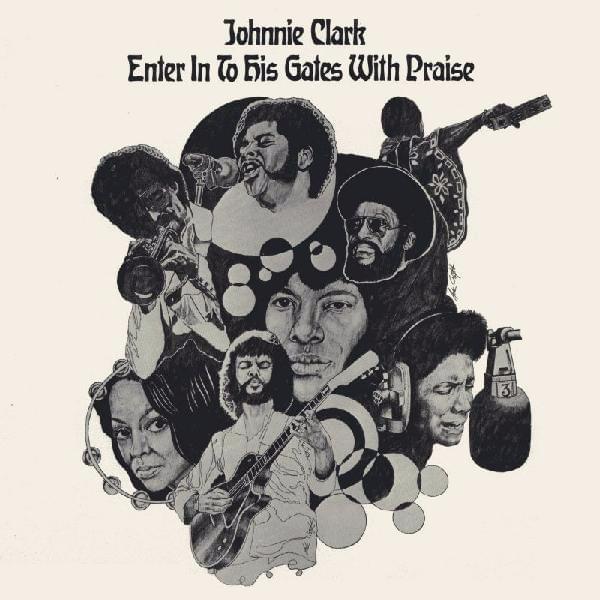
 View Artist